
Renting in Saudi Arabia: How the Ejar Contract Works

Renting a home is one of the first big steps for anyone settling into life in Saudi Arabia, whether you are a resident moving cities or a newcomer looking for a first apartment. The most important thing to understand is that a lease in the Kingdom is not just a private agreement between you and a landlord — to be legally recognized and enforceable, it must be registered on the national rental platform, Ejar. This guide from Saudi Living walks you through how renting works, what the unified Ejar contract covers, and how to protect yourself as a tenant.
Why the Ejar contract matters
All residential and commercial leases in Saudi Arabia must be documented on Ejar to be legally enforceable and recognized by the courts. Ejar is an integrated electronic rental network operated under the Real Estate General Authority and the Ministry of Municipal, Rural Affairs and Housing, using unified lease templates approved by the Ministry of Justice.
In practice, this means a paper-only contract is not enough. An unregistered lease may not be recognized by Saudi courts and can block your access to services tied to your registered address, including some residency- and utility-related services. Registering the contract is a legal obligation on the landlord for every residential rental.
What the unified lease contract covers
Ejar uses a standardized Arabic lease template designed to protect both parties and reduce disputes. Before you sign, make sure the following are clearly and correctly stated:
- The exact rent amount and the payment schedule (monthly, quarterly, or annual).
- The contract duration and the renewal terms.
- The conditions for termination by either party.
- The obligations of the landlord and the tenant, such as maintenance responsibilities.
Because this contract is treated as an enforceable instrument by the judicial authorities, everything written in it carries legal weight. Read every clause carefully and ask for corrections before approving.
How to access Ejar
You can reach Ejar through the official Ejar website or the official Ejar mobile app. Login is handled through the national single sign-on system, Nafath, using your National ID or iqama number, with confirmation via the Nafath app or a verification code. This keeps the process secure and tied to your verified identity.
Steps to create an Ejar contract
The contract is usually initiated by the landlord or a licensed real estate broker, but as a tenant you should understand each stage so you can confirm the details are accurate:
- The landlord or licensed broker logs into Ejar using Nafath.
- The property unit details are entered or selected from registered data.
- Your National ID or iqama and contact details are added as the tenant.
- The rent amount, payment frequency, contract term, and other terms are entered into the standardized template.
- Both parties approve the contract electronically using a digital signature through Nafath.
For most contracts, no physical signature is needed. Digital signature through Nafath has replaced paper signatures, and electronic approval serves as the binding consent of the landlord, tenant, and broker.
The electronic unit handover service
One of the most useful features for tenants is the electronic unit handover and receipt service. This lets both parties record the condition of the property at move-in and again at move-out through electronic forms linked to your contract, accessed through integrated housing platforms such as Sakani. Documenting the unit's condition when you arrive can protect your deposit and prevent disputes when you leave. Take clear notes and photos of any existing damage and make sure it is reflected in the handover record.
Practical tips for tenants
- Never rely on a paper-only agreement — insist that your lease is registered on Ejar.
- Verify that your name, iqama number, the rent, and the term are all entered correctly before you approve.
- Keep a digital copy of the approved contract; you may need it for utility connections and other services linked to your address.
- Use the electronic handover service at both move-in and move-out.
- If a specific fee or figure is quoted to you, confirm it through the relevant official Saudi portal rather than relying on informal information.
Because Ejar integrates with the Ministry of Justice and with licensed real estate brokers, a properly documented contract gives you real, enforceable protection. Taking the time to understand the process before you sign is the best way to start your rental with confidence and peace of mind.
Stay updated with the latest news, events, sports updates, business insights, real estate and lifestyle stories on Saudi Living — the leading online platform for residents, expats, and visitors in Saudi Arabia.
Follow Saudi Living for daily updates:
- Instagram - @saudiliving
- X - @saudiliving
- Facebook - @saudiliving
- YouTube - @saudiliving
Up Next

Moving to Makkah: What to Know Before You Arrive
A practical Saudi Living guide to moving to Makkah: residency rules, rent, utilities, and property restrictions for expats and residents in 2026.
Sep 11,2026
Your Rights as a Tenant in Saudi Arabia
A practical guide to tenant rights in Saudi Arabia: Ejar registration, security deposit caps, eviction rules, and how to file a rental dispute.
Sep 9,2026
Renting in Saudi Arabia: How the Ejar Contract Works
A complete guide to renting a home in Saudi Arabia, registering your lease on Ejar, contract fees, and how the Unified Ejar Contract protects your rights.
Sep 9,2026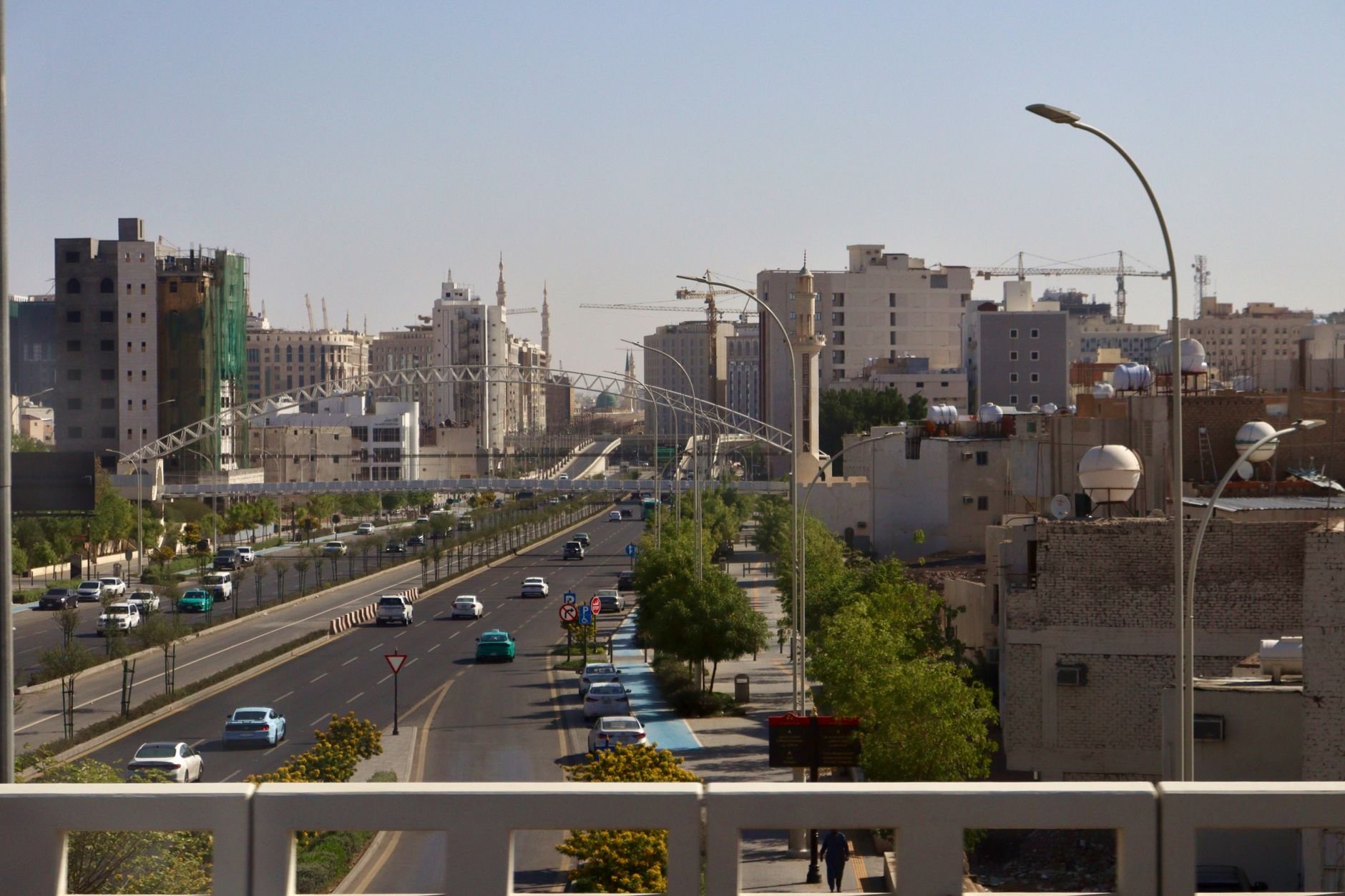
Paying Traffic Fines with Najm and Absher
A practical guide to paying Saudi traffic fines: how Absher, SADAD and Najm fit together, the 25% early-payment discount, and how to dispute a violation.
Sep 9,2026Related Stories


Don't Miss Similar Listings
Be the first to know when new stories on this topic are published.


