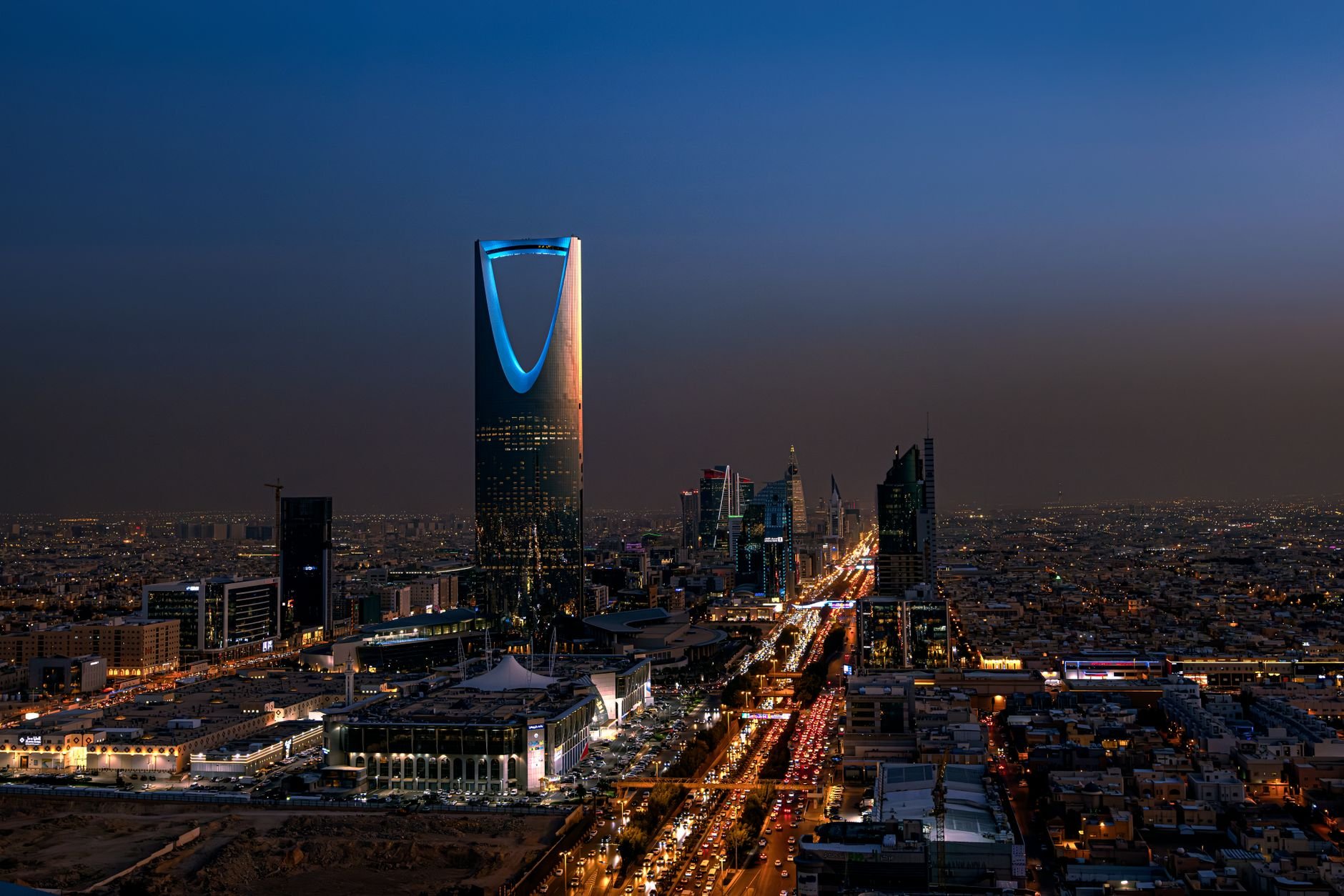
Saudi Public Holidays & Working Week Explained

Whether you're new to the Kingdom or have lived here for years, knowing how the Saudi working week runs and when the public holidays fall makes planning your life far easier. From scheduling business meetings to booking flights around Eid, understanding the rhythm of the working calendar saves time and avoids surprises. In this Saudi Living guide, we break down the standard working week, typical office hours, and the core national holidays for 2026 — along with practical tips on how holiday dates are actually confirmed.
The Saudi working week and weekend
The official working week in Saudi Arabia runs from Sunday to Thursday, with Friday and Saturday as the weekend. This applies to government bodies, banks, and the majority of private-sector employers. If you're coordinating with colleagues abroad, keep in mind that Thursday is effectively the last business day of the Saudi week, while Sunday is the first.
Typical working hours
Working hours vary by sector, ministry, and region, but there are common patterns to expect:
- Public sector: roughly 7:30 AM to 2:30 PM, or 8:00 AM to 3:00 PM, with some variation between ministries and cities.
- Banks: generally follow morning-to-early-afternoon hours on working days.
- Private sector: hours differ by employer, but many offices operate an 8-hour day within Sunday–Thursday. Retail, hospitality, and healthcare often run longer or shift-based schedules.
During Ramadan, working hours are reduced for many employees, and both government and private schedules shift accordingly. Always confirm your specific hours with your employer, as arrangements can differ.
Core national public holidays in 2026
Saudi Arabia observes several major public holidays each year. Some fall on fixed Gregorian dates, while the two Eid holidays follow the Islamic lunar calendar and are confirmed close to the date. Here's what to plan around in 2026:
- Founding Day — Sunday 22 February 2026: A national public holiday marking the founding of the Saudi state. Government and most private-sector employees receive the day off, typically one day, sometimes extended to two for the public sector and banks.
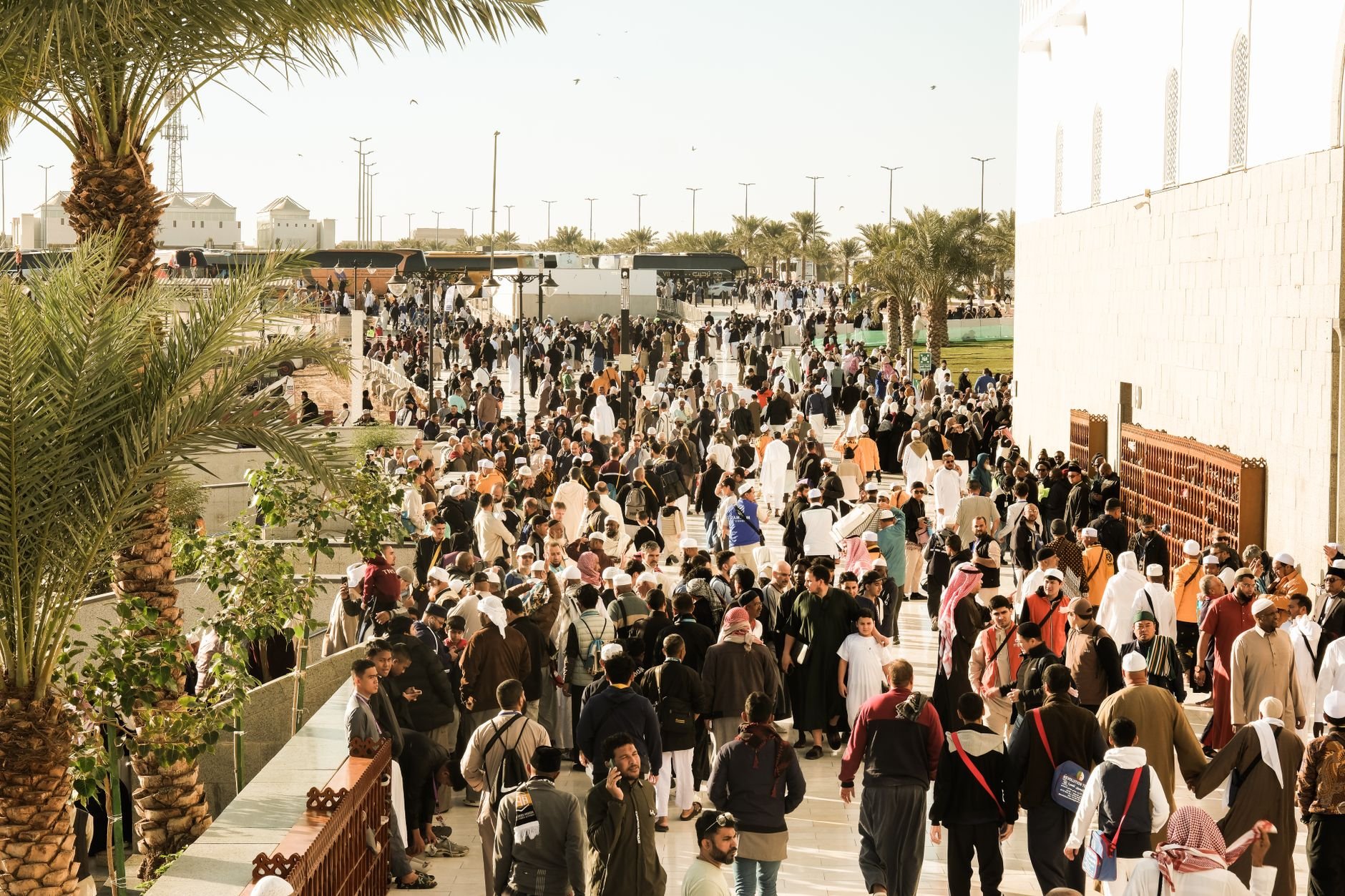
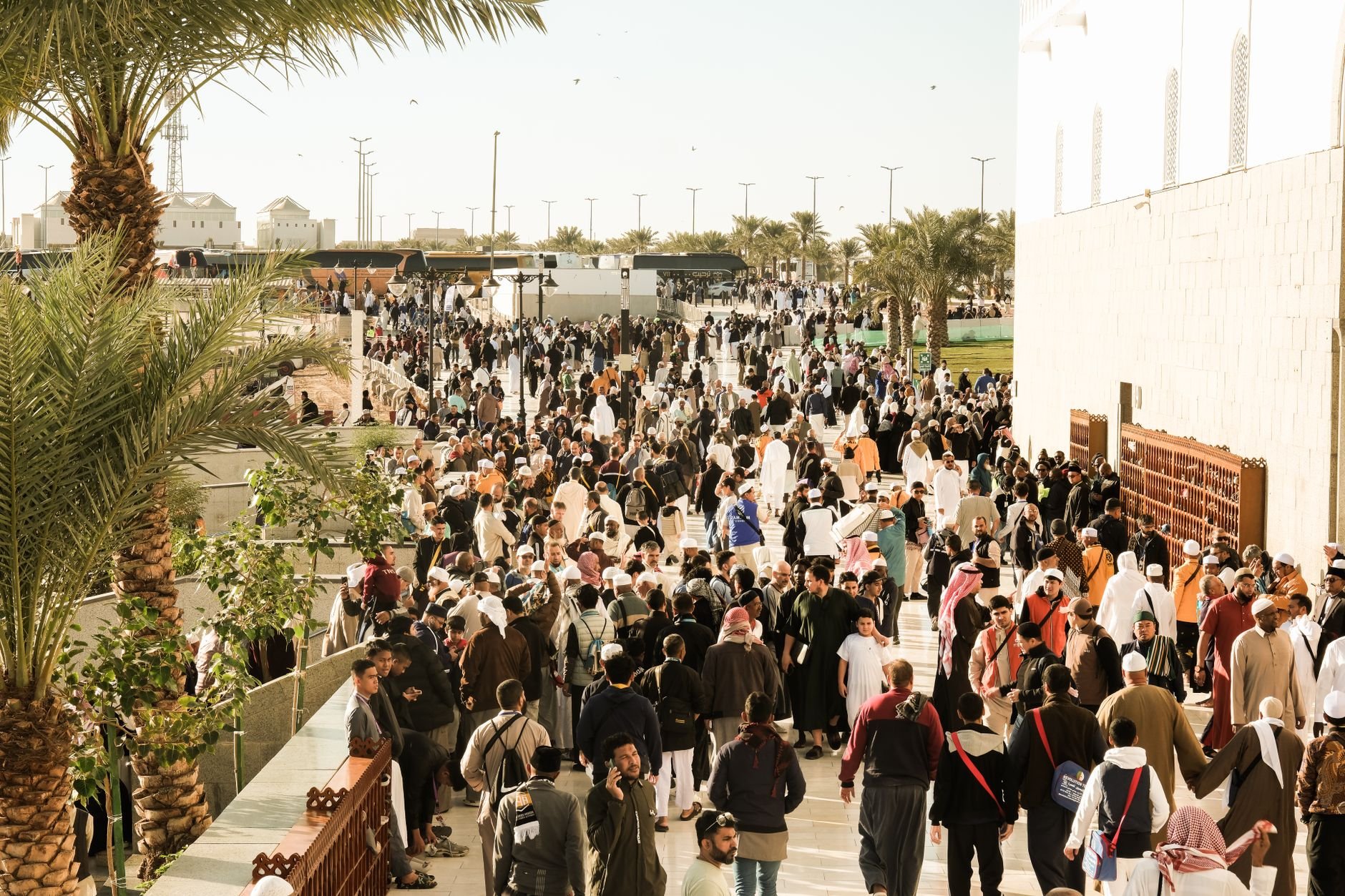
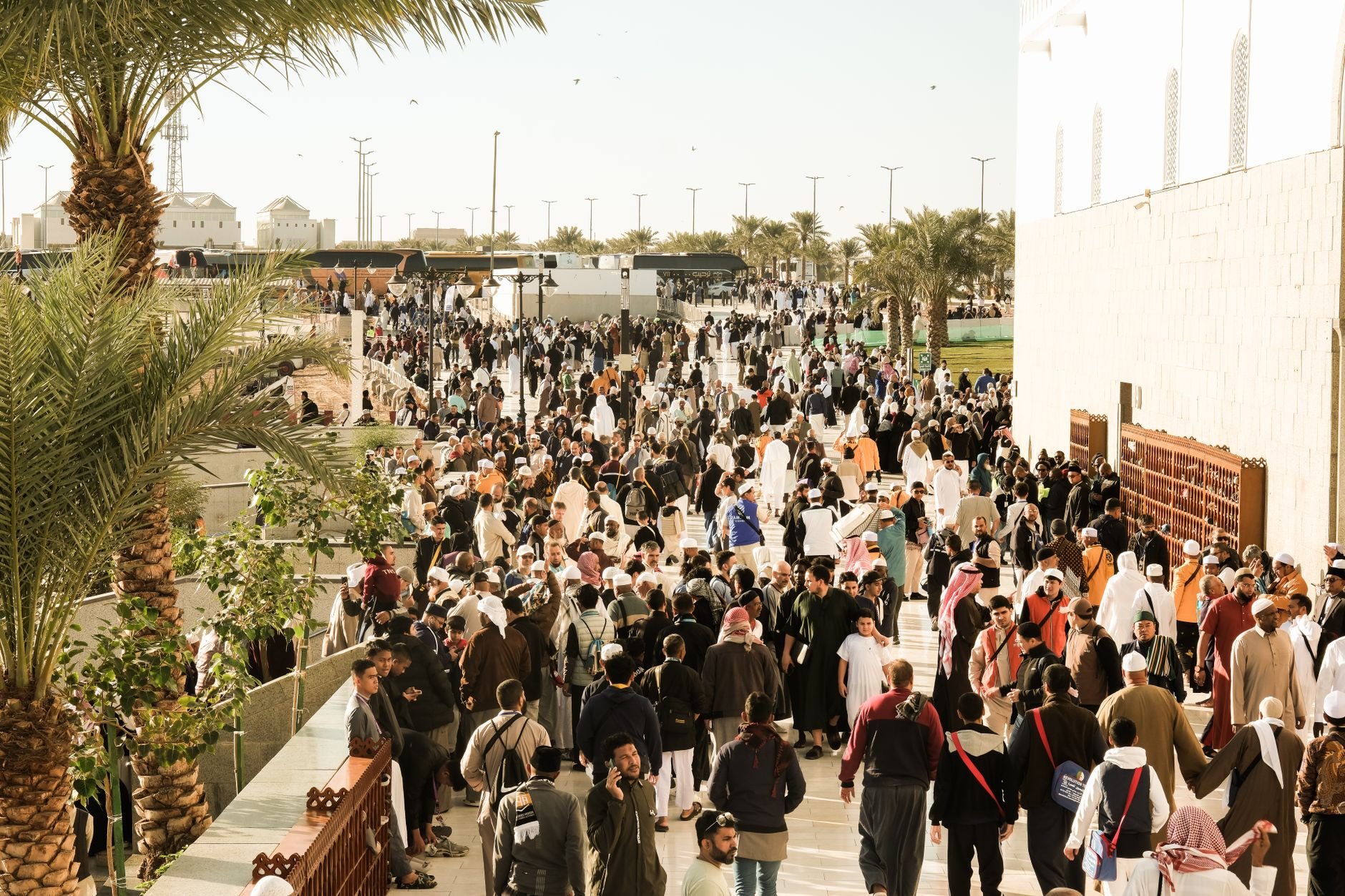
- Eid al-Fitr — around Thursday 19 March to Sunday 22 March 2026: Marking the end of Ramadan, many employers use this span as the official holiday, with the Eid day itself falling around Friday 20 March. Government and many private entities usually receive at least 4–5 days off, sometimes longer.
- Arafat Day — Tuesday 26 May 2026: A national public holiday coinciding with the Day of Arafah during Hajj. It is a day off for the public sector and most private-sector workers.
- Eid al-Adha — around Wednesday 27 May to Saturday 30 May 2026: The Feast of Sacrifice, with the Eid day around Wednesday 27 May. Government employees usually receive at least 4–5 days off, often longer for some sectors.
- Saudi National Day — Wednesday 23 September 2026: Celebrating the unification of the Kingdom. All ministries, public institutions, and most private companies treat it as a paid non-working day.
Why Eid dates are never final until announced
The Eid al-Fitr and Eid al-Adha holidays follow the lunar calendar, which means their exact dates depend on the sighting of the moon. Pre-printed calendars offer a useful estimate, but the official start and end of paid leave — and any extension of the holiday — are confirmed each year by royal or ministerial announcements close to Ramadan and Hajj. Our advice: treat calendar dates as provisional and wait for the official circular before finalizing travel plans. For the exact confirmed dates each year, check the relevant Saudi government portal.
Practical tips for planning around holidays
- Book flights early: Eid periods see very high demand, so airfares and hotels rise sharply. Reserve well ahead once dates are announced.
- Expect longer breaks: When a holiday falls next to the weekend, the days off often join up, creating extended breaks.
- Confirm with your employer: The number of days off can differ between the public and private sectors, and some companies extend leave beyond the minimum.
- Plan government errands wisely: Offices close during public holidays, so complete official transactions on Absher, Muqeem, or Qiwa in advance where possible.
Once you get used to the Sunday–Thursday rhythm and the flow of national holidays, planning your work and personal life in the Kingdom becomes second nature.
Stay updated with the latest news, events, sports updates, business insights, real estate and lifestyle stories on Saudi Living — the leading online platform for residents, expats, and visitors in Saudi Arabia.
Follow Saudi Living for daily updates:
- Instagram - @saudiliving
- X - @saudiliving
- Facebook - @saudiliving
- YouTube - @saudiliving
Up Next

Outdoor Activities Near Sakaka: Best Parks Guide
Discover the best free parks and outdoor spots near Sakaka in Al Jawf—walking, picnics, playgrounds and cafes. Hours, costs and tips for families.
Jul 30,2026
Family Activities in Rafha: A Practical Guide
Discover the best family activities in Rafha, from parks and desert outings to markets and dining. A practical Saudi Living guide for residents and visitors.
Jul 30,2026
Living in Jazan: A Newcomer's Guide
Everything newcomers need to know about living in Jazan: climate, neighborhoods, cost of living, food, transport, and settling in on the Red Sea coast.
Jul 30,2026
Best Areas to Rent in Tabuk: Districts & Prices
A practical guide to the best areas to rent in Tabuk, with district highlights, typical short-stay rates, and tips to find the right home.
Jul 30,2026Related Stories


Don't Miss Similar Listings
Be the first to know when new stories on this topic are published.