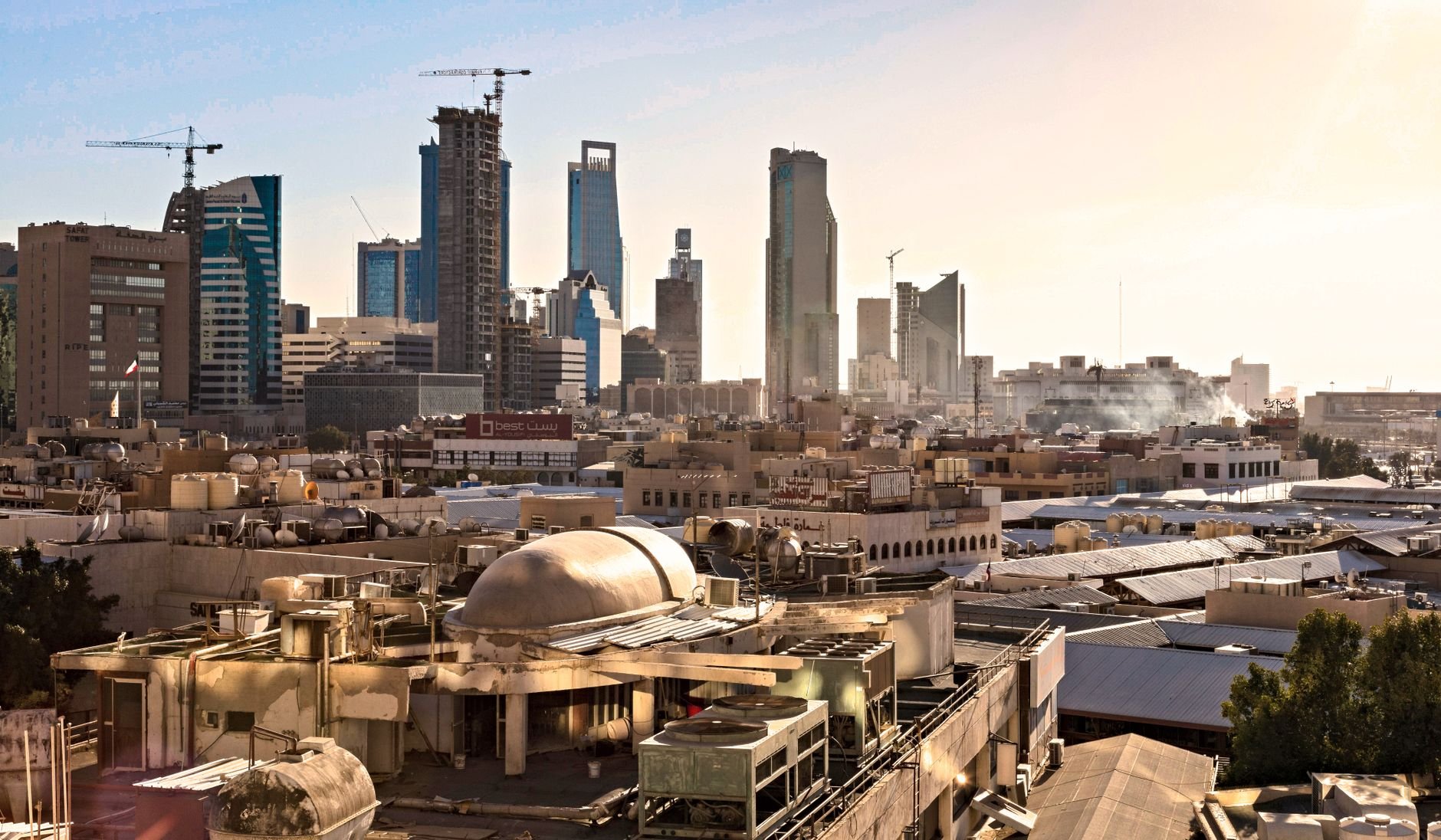
Saudi Zakat & Corporate Tax Rules for Foreign Investors 2026

Foreign investors and mixed-ownership companies operating in Saudi Arabia continue to fall under a dual financial system in 2026, combining corporate income tax and zakat depending on who owns the business. Understanding the distinction matters for expat entrepreneurs, international firms and joint ventures building a presence in the Kingdom.
Under the current framework, foreign investors and foreign-owned shares are subject to a 20% corporate income tax on net adjusted taxable income derived from Saudi-source income. Wholly foreign-owned resident companies pay this 20% rate on their entire Saudi-source adjusted net profits and are not subject to zakat.
Companies owned entirely by Saudi or GCC nationals — with no non-GCC entity anywhere in the ownership chain — are subject to zakat only, generally set at 2.5% of the zakat base. When payers use the Gregorian calendar, a day-based adjustment is applied when converting from the Hijri year, but the rate remains 2.5% even when adjusted net profit is used as the base.
How mixed-ownership firms are treated
Mixed-ownership resident companies face both systems at once. Zakat applies to the Saudi and qualifying GCC share, while a 20% corporate income tax applies to the foreign share of taxable income. The split follows ownership percentages at the end of the tax year, with pro-rata adjustments if ownership changes during the year.
Taxable persons for corporate income tax include non-Saudi and non-GCC shareholders in resident capital companies, non-resident persons earning Saudi-source business income through a permanent establishment or specified transactions, and Saudi permanent establishments of non-residents. Only Saudi-source income is taxed for foreign investors and foreign-owned entities.
For eligible investors, incentives remain available: consolidation can be accepted for zakat purposes, with relief for wholly owned subsidiaries of Saudi or GCC companies subject to zakat. In addition, Special Economic Zones and certain regional headquarters or qualifying activities can carry reduced corporate income tax rates — an important consideration for firms planning long-term operations in the Kingdom.
Stay updated with the latest news, events, sports updates, business insights, real estate and lifestyle stories on Saudi Living — the leading online platform for residents, expats, and visitors in Saudi Arabia.
Follow Saudi Living for daily updates:
- Instagram - @saudiliving
- X - @saudiliving
- Facebook - @saudiliving
- YouTube - @saudiliving
Up Next

Saudi VAT Thresholds & Filing Deadlines Explained
A clear guide to VAT registration thresholds, filing frequency, and payment deadlines for businesses operating in Saudi Arabia.
Aug 18,2026
Saudi Special Economic Zones: Tax & Ownership Guide
Saudi Arabia's four Special Economic Zones offer 5% corporate tax, 100% foreign ownership, and zero customs. Here is what investors need to know.
Aug 17,2026
Saudi Premium Residency: Investor & Entrepreneur Tracks
Saudi Premium Residency offers permanent and annual options plus dedicated investor and entrepreneur tracks. Here are the fees and requirements for 2026.
Aug 17,2026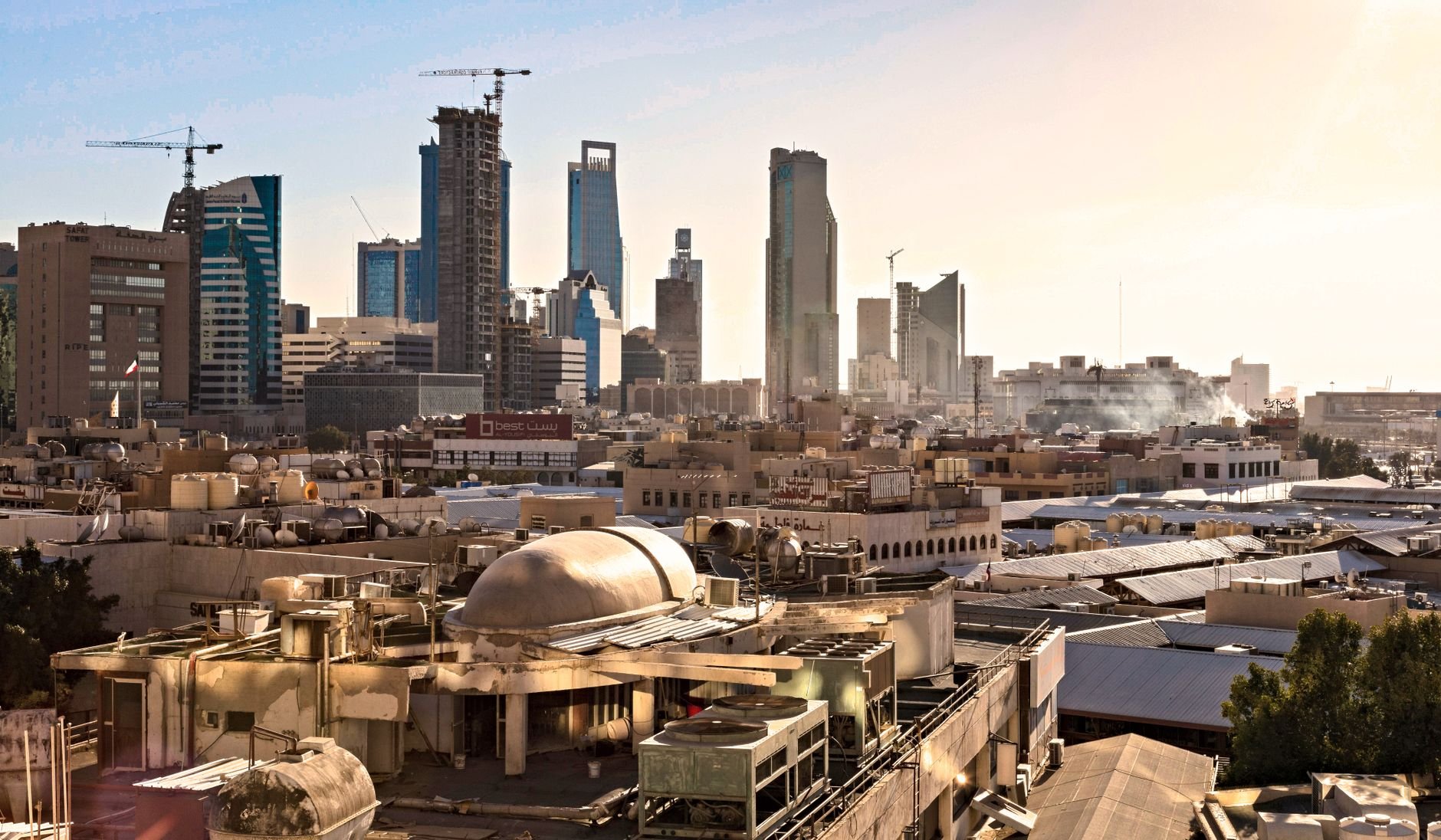
Foreign Investors Can Own 100% in Key Saudi Sectors
Foreign investors may fully own companies in renewable energy, tourism and logistics, with MISA licence fees suspended in 2026.
Aug 17,2026Related Stories





Don't Miss Similar Listings
Be the first to know when new stories on this topic are published.