

Summers in Saudi Arabia are intense. In many cities, daytime temperatures climb well above 45–50°C between June and September, and along the coasts high humidity makes the heat feel even harsher. Whether you're an employer, an outdoor worker, or a resident simply running errands, understanding how to protect yourself from heat is essential. This guide from سعودي ليفنج covers the rules, the risks, and the practical steps that keep you safe through the hottest months.
The midday outdoor work ban
To protect workers, outdoor work under direct sunlight is banned for private-sector establishments every year from 15 June to 15 September, between 12:00 and 15:00. This seasonal measure is enforced by the Ministry of Human Resources and Social Development together with the National Council for Occupational Safety and Health. The same dates now apply annually as a fixed summer rule.
- The ban covers all private-sector employers whose workers are exposed to direct sun, including construction and similar activities.
- It does not apply to indoor work or fully shaded, air-conditioned environments.
- During the season, inspection teams carry out thousands of field visits and record hundreds to nearly 2,000 violations each year.
- Employers who violate the ban may face fines of up to 100,000 SAR under penalties referenced in the Labour Law and related ministerial decisions.
What employers must provide
Beyond the midday ban, official occupational-safety guidelines require employers to actively protect workers in hot environments. Key obligations include:
- Shaded rest areas where workers can cool down.
- Continuous access to drinking water throughout the shift.
- Scheduled rest breaks to reduce heat exposure.
- Acclimatization programs lasting 7–14 days for new or returning workers, gradually increasing their exposure to heat.
- Work–rest cycles, a buddy system for mutual monitoring, and health assessments to identify vulnerable workers.
- Temperature and humidity monitoring devices on site, with shift schedules adjusted to limit prolonged heat exposure.
Recognizing heat-related illness
Heat stress builds up quickly and can turn dangerous before you realize it. Learn to spot the warning signs early:
- Heavy sweating, dizziness, headache, or muscle cramps.
- Nausea, weakness, or a rapid pulse.
- Confusion, fainting, or hot dry skin with no sweating — these are signs of a medical emergency requiring immediate cooling and help.
If someone shows severe symptoms, move them to a cool or shaded place, help them cool down with water, and seek medical help without delay.
Staying hydrated the right way
Hydration is your best defense. The recommended approach in hot environments is to drink small amounts of water every 15–20 minutes rather than gulping large volumes occasionally. Steady sipping keeps your body cooler and reduces the risk of heat stress.
- Start hydrating before you go out, not only once you feel thirsty.
- Limit heavily caffeinated and sugary drinks during peak heat.
- Keep water within easy reach at work, in the car, and at home.
Clothing and timing your day
What you wear and when you go out make a real difference. Health guidance emphasizes lightweight, light-colored, and loose clothing, and avoiding dark or heavy fabrics that absorb more heat.
- Stay in cool, shaded, or air-conditioned places whenever possible.
- Minimize direct sun exposure during the hottest part of the day, often around late morning to mid-afternoon.
- Plan errands, exercise, and outdoor activities for early morning or after sunset.
- Use hats, sunglasses, and sunscreen when you must be outside.
Extra care for vulnerable people
Children, older adults, pregnant women, and those with chronic conditions are more sensitive to heat. Never leave anyone — especially children — inside a parked car, even for a moment. Check regularly on elderly relatives and neighbors, keep living spaces cool, and adjust daily routines to avoid the peak heat.
By respecting the midday work rules, staying hydrated, dressing smartly, and watching for warning signs, you can get through the Saudi summer safely. When in doubt about your workplace rights or employer obligations, confirm the latest requirements through the relevant official Saudi government portal.
Stay updated with the latest news, events, sports updates, business insights, real estate and lifestyle stories on Saudi Living — the leading online platform for residents, expats, and visitors in Saudi Arabia.
Follow Saudi Living for daily updates:
- Instagram - @saudiliving
- X - @saudiliving
- Facebook - @saudiliving
- YouTube - @saudiliving
Up Next
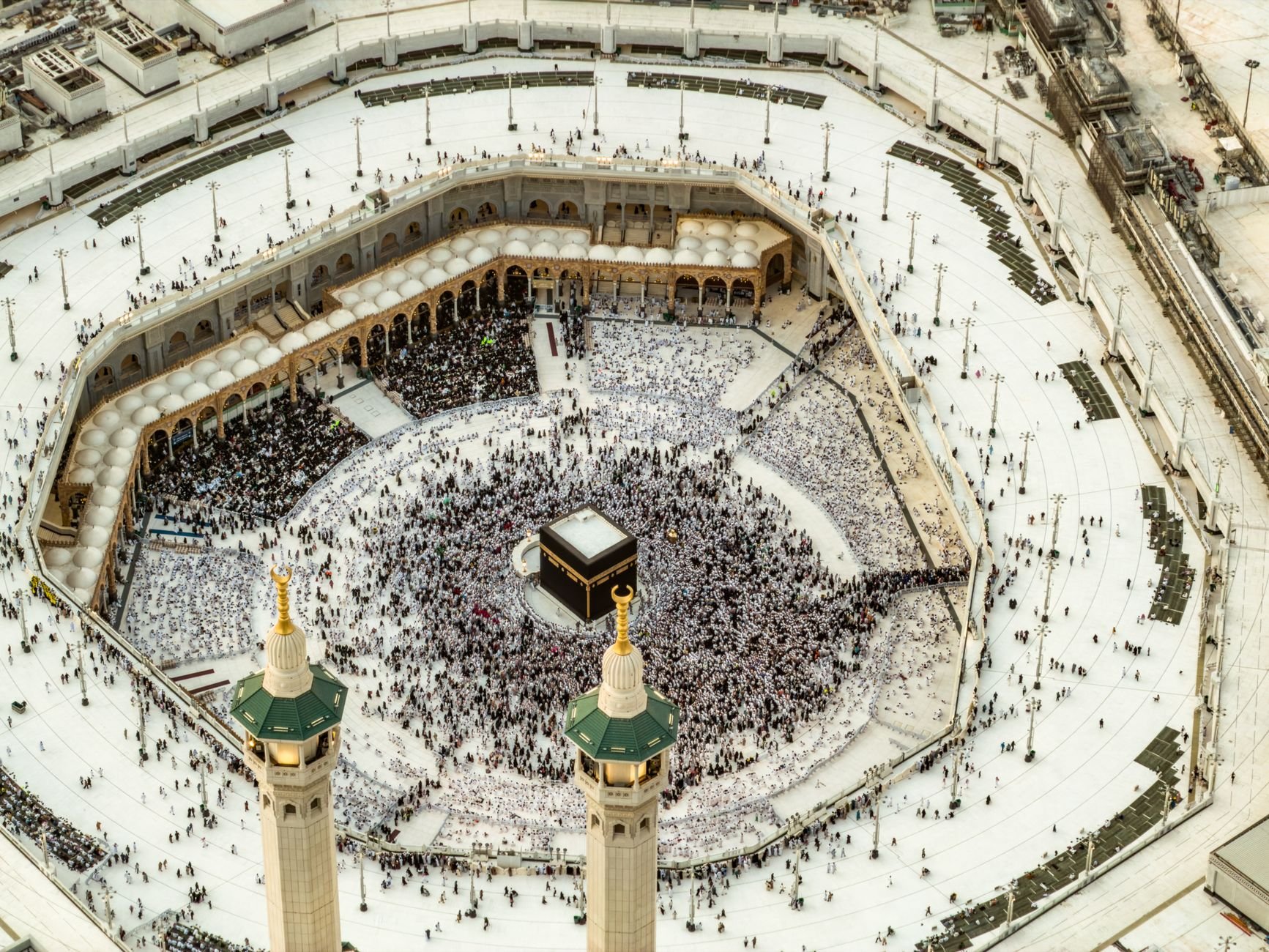
Family Activities in Makkah: A Practical Guide
From the Clock Tower Museum to nature tours and indoor play, discover the best family activities in Makkah with practical prices and hours.
Aug 29,2026
Living in Al Majma'ah: A Newcomer's Guide
A practical newcomer's guide to living in Al Majma'ah in the Riyadh region: rent, cost of living, cafés, and what to expect in this affordable city.
Aug 29,2026
Top Things to Do in Al Kharj: A Local Guide
Discover the best things to do in Al Kharj near Riyadh: the Water Tower, park zoo, King Abdulaziz Park and King Fahd Park for families.
Aug 29,2026
Living in Rafha: A Newcomer's Practical Guide
A practical guide to living in Rafha in the Northern Borders Region: municipal services, transport, airport, key roads, and how to get things done.
Aug 29,2026Related Stories





Don't Miss Similar Listings
Be the first to know when new stories on this topic are published.





