
Staying Safe in the Saudi Summer Heat: A Practical Guide

Summers in Saudi Arabia are among the hottest anywhere. Daytime temperatures regularly climb past 45°C across much of the country, and in coastal cities like Jeddah and Dammam, high humidity pushes the "feels-like" temperature even higher. Whether you're a long-time resident or newly arrived, learning to work with the heat rather than fight it is essential. This practical guide from سعودي ليفنج walks you through how to stay safe, recognize warning signs, and act quickly if someone falls ill.
Understand the peak heat hours
The single most effective habit is timing your day around the sun. During heat waves, health authorities advise staying in the shade or indoors roughly between 11:00 and 15:00, when the sun is strongest and the risk of heat illness is highest.
- Schedule errands, exercise, and outdoor activities for early morning or after sunset.
- Stay in air-conditioned or well-ventilated spaces during the hottest part of the day.
- When you must be outside, take frequent breaks in shaded areas.
Dress and protect yourself smartly
What you wear makes a real difference. Official guidance recommends lightweight, loose, light-colored clothing that covers the body and head.
- Choose breathable fabrics in pale colors that reflect rather than absorb heat.
- Cover your head with a hat or cloth when in direct sun.
- Apply sunscreen and wear sunglasses to protect skin and eyes.
Hydrate the right way
By the time you feel thirsty, you're already behind. The rule is to drink water and other fluids regularly throughout the day rather than waiting for thirst to strike.
- Keep water within reach and sip consistently.
- Avoid sugary drinks, which don't hydrate you as effectively.
- Drink extra when you're active, working outdoors, or spending long periods in the heat.
Protect the most vulnerable
Some people feel the heat far more intensely. Children, older adults, pregnant women, and people with chronic illnesses are especially susceptible to heat stress. Outdoor workers, pilgrims, and athletes face higher risk because of prolonged exposure and physical exertion.
- Never leave a child in a parked car, even for a moment — interior temperatures can reach life-threatening levels within minutes.
- Check regularly on elderly relatives and neighbors during heat waves.
- Watch children and vulnerable family members for early signs of overheating.
Recognize heat illness and act fast
Knowing the warning signs can save a life. Symptoms of heat exhaustion and heat stroke include dizziness, confusion, fainting, and a very high body temperature. If you notice these, seek immediate medical care.
While waiting for help, standard first-aid steps are:
- Move the person to a cool, shaded, or air-conditioned place.
- Remove or loosen excess clothing.
- Cool the body using water or cold packs on the neck, armpits, and groin, and fan the person.
- If they are conscious, give cool (not icy) water to sip. If unconscious, do not give anything by mouth.
- Take the person promptly to the nearest hospital or emergency department for further treatment.
Rules that protect outdoor workers
Saudi Arabia enforces a seasonal ban on outdoor work under direct sunlight for private-sector establishments each year. In current practice, outdoor work under direct sun is prohibited from 12:00 to 15:00 between 15 June and 15 September.
Employers are required to:
- Restructure working hours to avoid the midday period.
- Provide shaded rest areas.
- Ensure sufficient drinking water and heat-prevention facilities on site.
Guides on heat-stress occupational safety are published to help both employers and workers understand the risks and prevention measures. If the midday ban is being violated, it can be reported through the Ministry of Human Resources and Social Development's unified number, 19911, or its official mobile application. Workers are encouraged to report unsafe conditions.
Build safe summer habits
Surviving — and even enjoying — the Saudi summer comes down to preparation. Plan your day around the cooler hours, stay hydrated before you feel thirsty, dress for the climate, and keep an eye on those around you. For any specific health concerns or the latest official guidance, confirm details through the relevant Saudi government channels.
Stay updated with the latest news, events, sports updates, business insights, real estate and lifestyle stories on Saudi Living — the leading online platform for residents, expats, and visitors in Saudi Arabia.
Follow Saudi Living for daily updates:
- Instagram - @saudiliving
- X - @saudiliving
- Facebook - @saudiliving
- YouTube - @saudiliving
Up Next
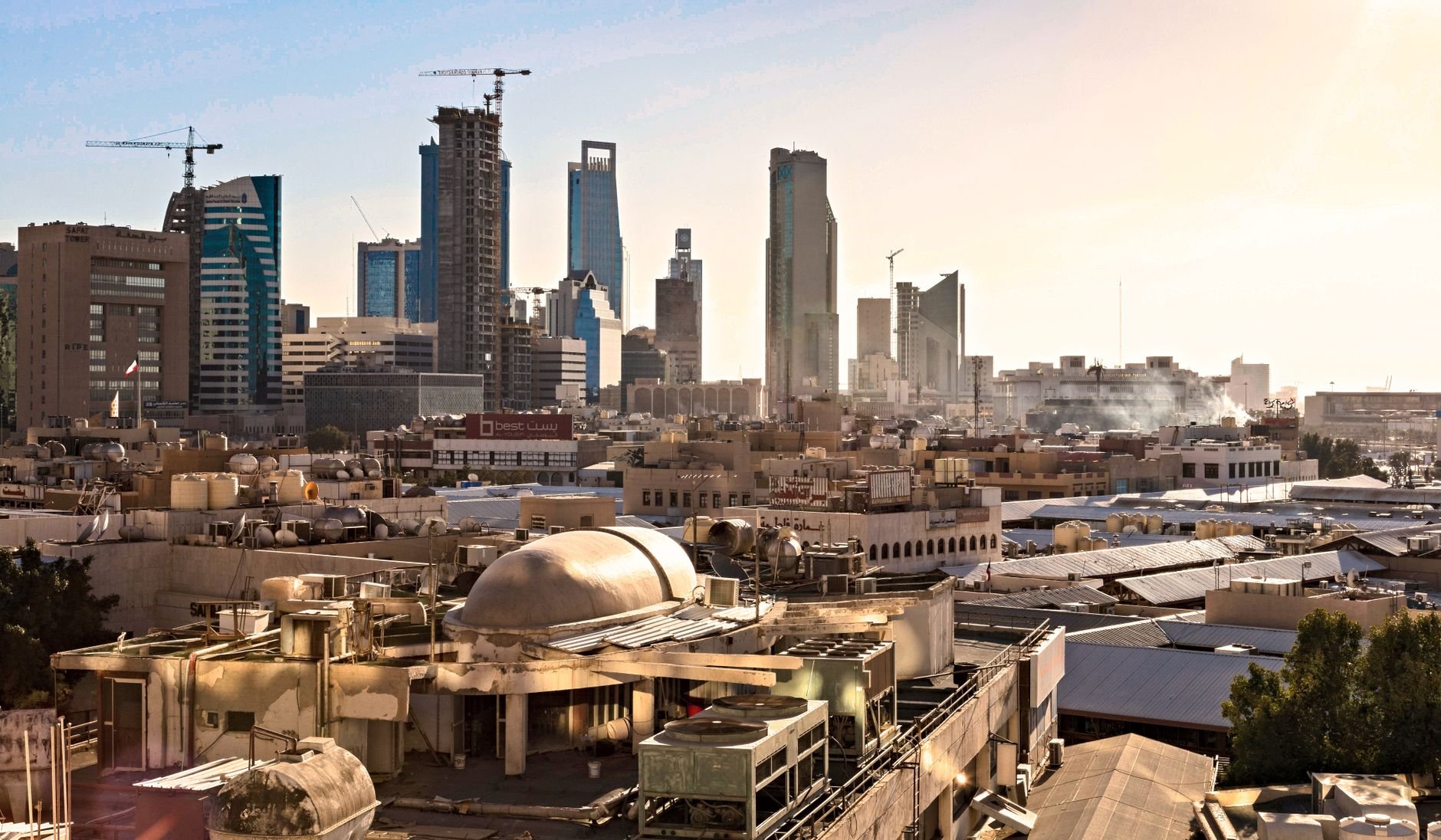
Registering a Child's Birth in Saudi Arabia: Full Guide
How to register your newborn in Saudi Arabia via Absher, get the birth certificate, and complete Iqama steps for expat children. Step-by-step guide.
Aug 23,2026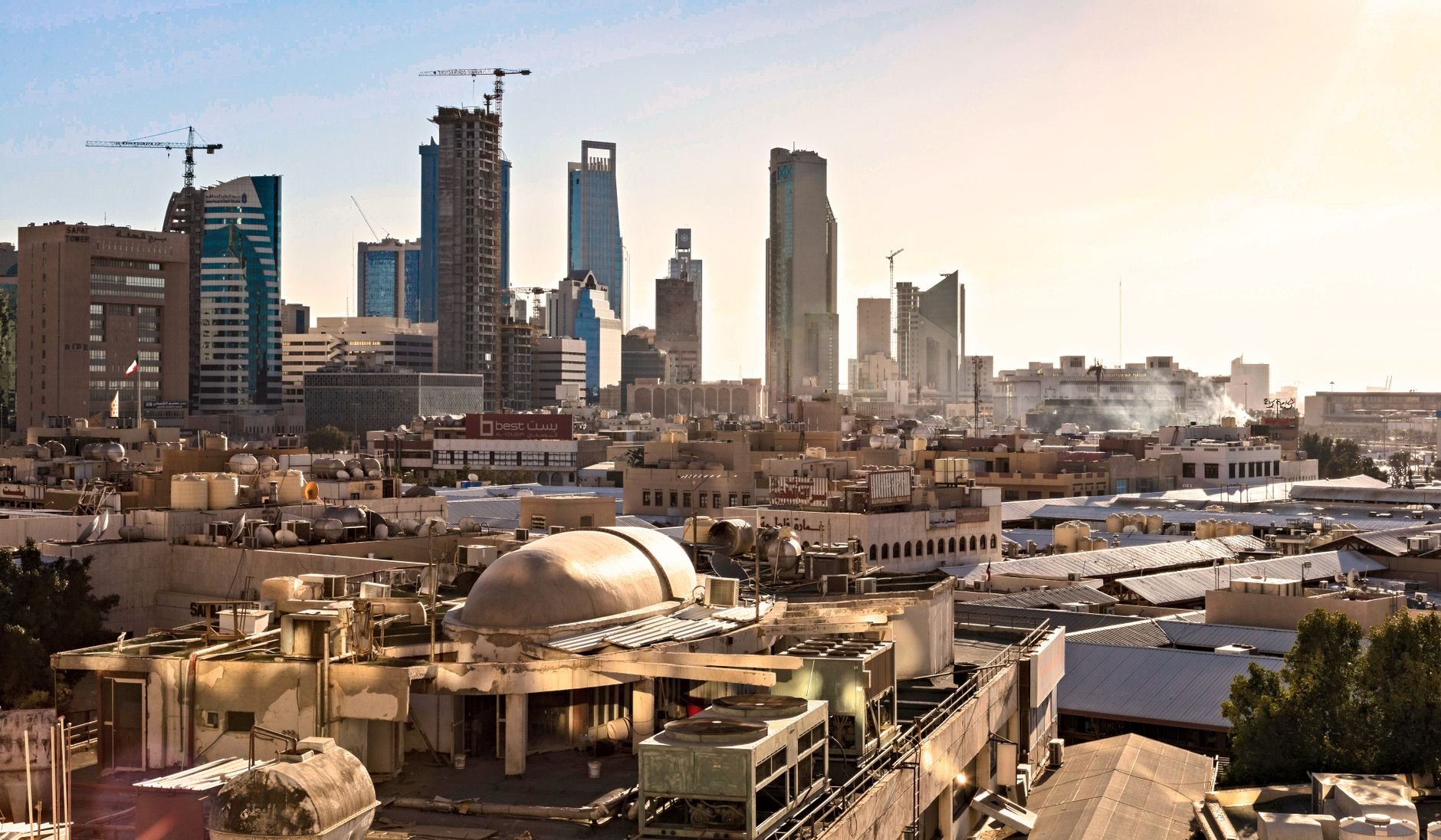
Saudi Premium Residency Explained: Types & Fees
A clear guide to Saudi Premium Residency: the seven tracks, permanent vs renewable options, fees in SAR, and how to apply through the official portal.
Aug 23,2026
Using Careem and Uber in Saudi Arabia: 2026 Guide
How to use Uber and Careem in Saudi Arabia in 2026: fares, airport transfers, city trip costs, safety tips, and the rules that keep rides legal.
Aug 23,2026
Living in Arar: A Newcomer's Guide
Everything newcomers need to know about living in Arar in Saudi Arabia's Northern Borders region: housing, weather, cost of living, and daily life.
Aug 22,2026Related Stories





Don't Miss Similar Listings
Be the first to know when new stories on this topic are published.





