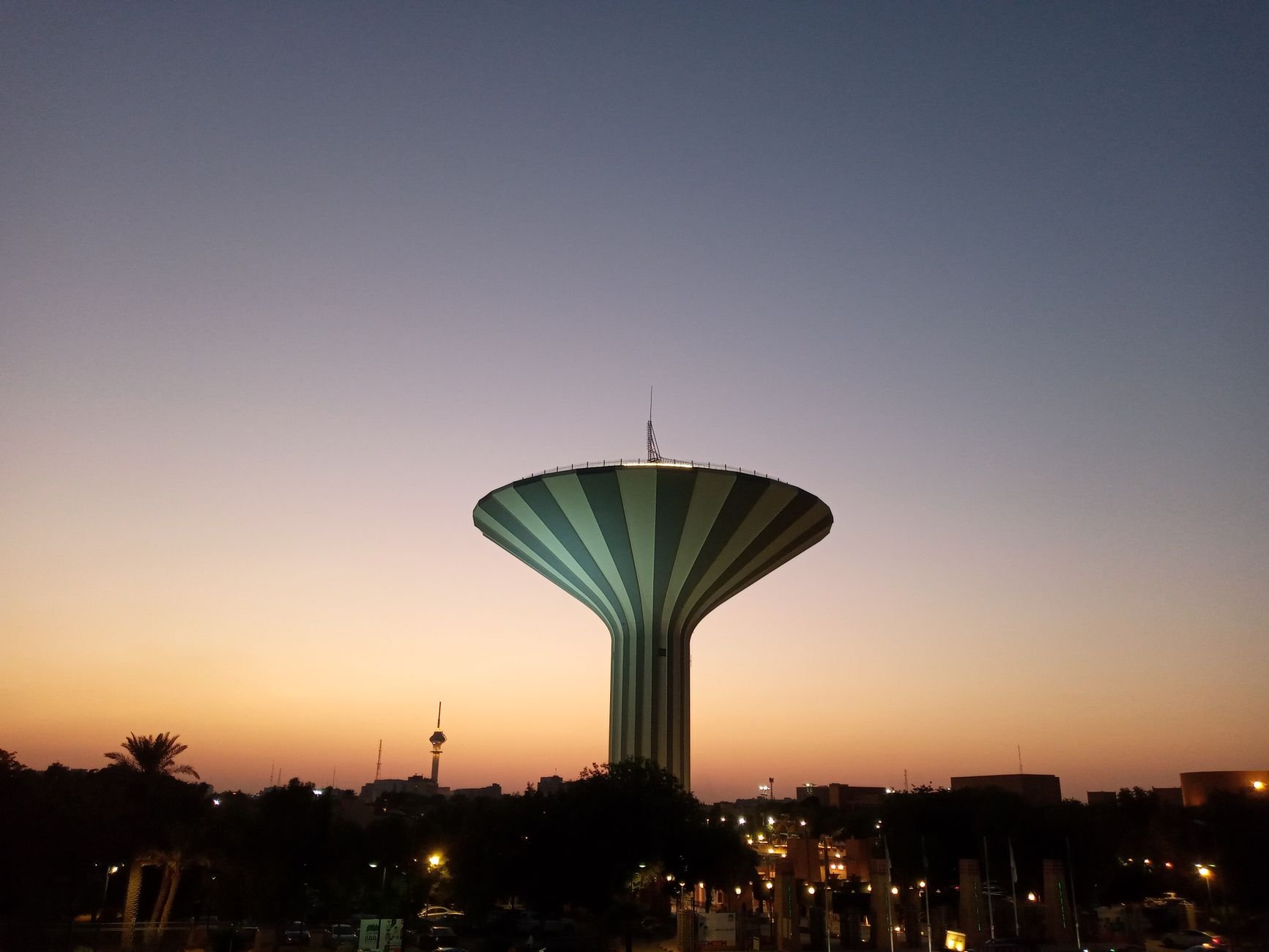
Cultural Etiquette & Customs in Saudi Arabia Guide
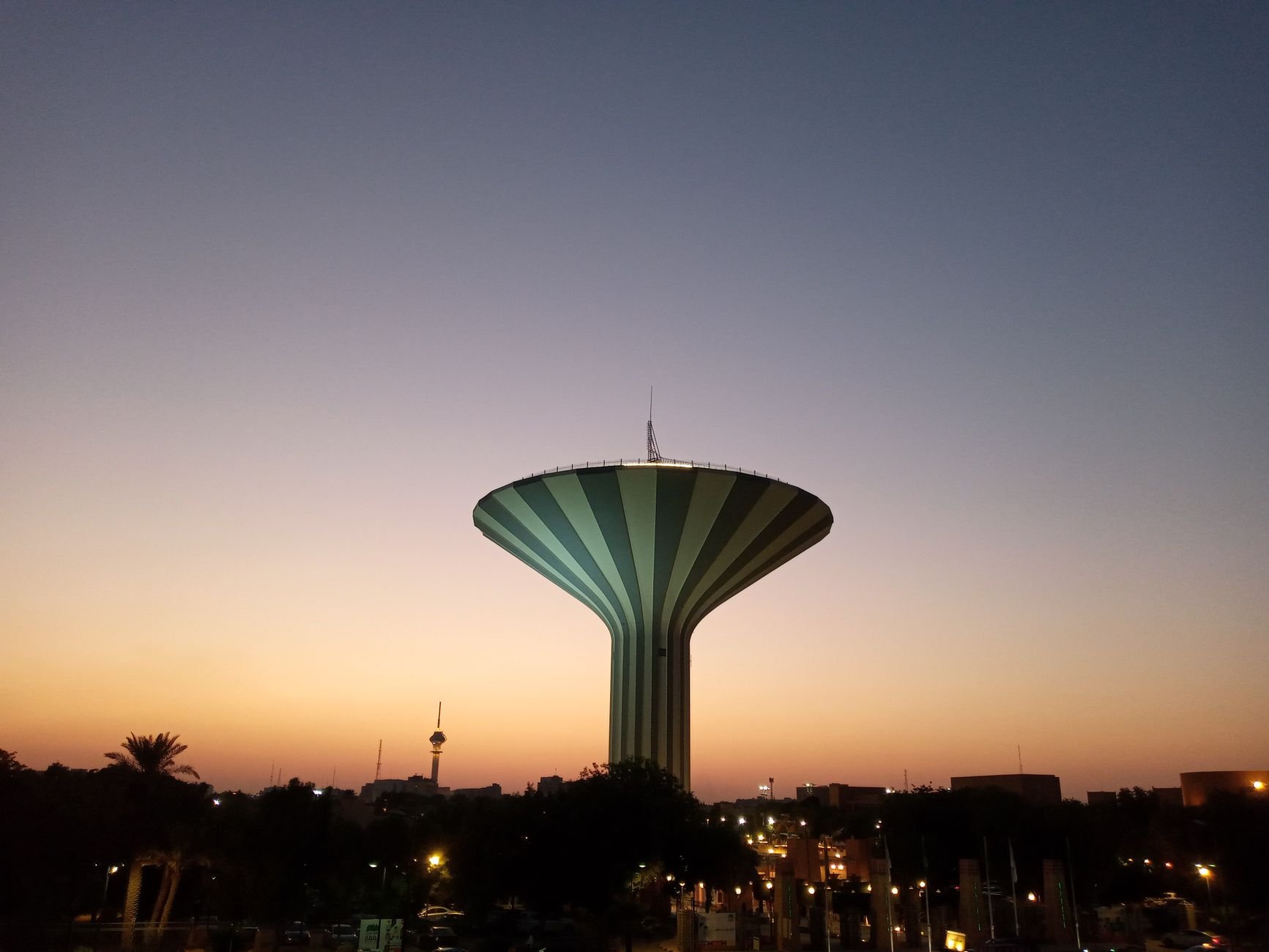
Whether you're moving to the Kingdom or just visiting, understanding local customs makes daily life smoother and helps you connect with people warmly and respectfully. Saudi society is welcoming and hospitable, and small gestures of courtesy go a long way. This guide from سعودي ليفنج covers the everyday etiquette that matters most — from greetings and dress to prayer times, Ramadan, and social manners.
Greetings and first impressions
The standard greeting is “As-salaam alaykum” (peace be upon you), with the reply “Wa alaykum as-salaam.” Learning this simple exchange is appreciated everywhere. Handshakes are common between men. Across genders, it's best to wait and follow the other person's lead — if someone extends a hand, respond warmly; if they don't, a nod and a smile are perfectly polite.
- Always use your right hand for greeting, giving, or receiving items and for eating; using the left hand for these is widely seen as impolite.
- Keep a calm voice, restrained gestures, and respectful eye contact.
- It's polite to stand or offer your seat when elders enter a room, and to give older people precedence in queues and gatherings.
Public behavior and personal conduct
Saudi public life values composure and dignity. Loud aggression, shouting, or drunken behavior is strongly disapproved of. Keeping your voice measured and your gestures moderate reflects well on you.
- Public displays of affection — kissing, hugging, or intimate touching — are generally avoided in public, even between married couples.
- Holding hands among close family members or same-sex friends is perfectly acceptable and common.
- Avoid sitting so the soles of your shoes face another person, and don't point your feet at someone or cross your legs toward them — this is viewed as insulting.
Dress code: what to wear
Modest dress is expected in public for both men and women. Clothing should be loose, opaque, and cover the shoulders and knees. Tight or body-accentuating clothes, and garments with provocative or offensive images or slogans, are best avoided.
- The abaya is not legally required for Saudi or foreign women in most public spaces, though many women still choose to wear one, especially in more conservative areas.
- The headscarf (hijab) is not legally required for non-Muslim women in ordinary public settings. Carry a scarf for mosque visits, and it's strongly recommended in conservative rural areas and traditional markets.
- Men should also dress modestly — shorts above the knee and sleeveless tops are best kept for private or sports settings.
Mixed-gender spaces
Mixed-gender environments are now standard across malls, restaurants, cafes, entertainment venues, and public attractions. The gender-segregated arrangements once common in many venues were largely phased out after 2019, so families, friends, and colleagues share the same spaces comfortably.
Prayer times and Ramadan
Prayer takes place five times daily and is respected throughout the day. During prayer, background music is turned off or lowered, and some shops and cafes briefly pause service.
- Avoid loud behavior during prayer times.
- Never walk directly in front of someone who is praying.
- Plan errands with short prayer pauses in mind, especially in smaller shops.
During Ramadan daylight hours, eating, drinking, chewing gum, or smoking in public is considered inappropriate. Many residents — Muslim and non-Muslim alike — refrain from these in public until sunset, out of respect for those fasting.
Photography and privacy
Always ask explicit permission before photographing people, particularly women or families. Posting identifiable photos of others online without their consent is considered disrespectful. When in doubt, focus your camera on scenery, architecture, and landmarks rather than individuals.
A few final courtesies
Hospitality runs deep in Saudi culture. If you're offered coffee, dates, or a meal, accepting graciously is a sign of respect. Approach every interaction with patience and a friendly attitude, and you'll find people ready to help. Small, thoughtful habits — a right-hand greeting, a lowered voice near prayer, a request before a photo — are what make everyday life in the Kingdom pleasant for everyone.
Stay updated with the latest news, events, sports updates, business insights, real estate and lifestyle stories on Saudi Living — the leading online platform for residents, expats, and visitors in Saudi Arabia.
Follow Saudi Living for daily updates:
- Instagram - @saudiliving
- X - @saudiliving
- Facebook - @saudiliving
- YouTube - @saudiliving
Up Next

Moving to Diriyah: What to Know Before You Arrive
A practical Saudi Living guide to moving to Diriyah near Riyadh: neighborhoods, housing, transport, schools, and everyday tips for new residents.
Sep 18,2026
Top Things to Do in Al Duwadimi: Parks & Heritage
Discover the best things to do in Al Duwadimi in Riyadh region: free family parks, heritage sites, an old souq, and practical visitor tips.
Sep 18,2026
Cultural Etiquette in Saudi Arabia: Everyday Customs
A practical guide to greetings, hospitality, dining manners, dress code, and daily customs in Saudi Arabia for residents and newcomers in 2026.
Sep 18,2026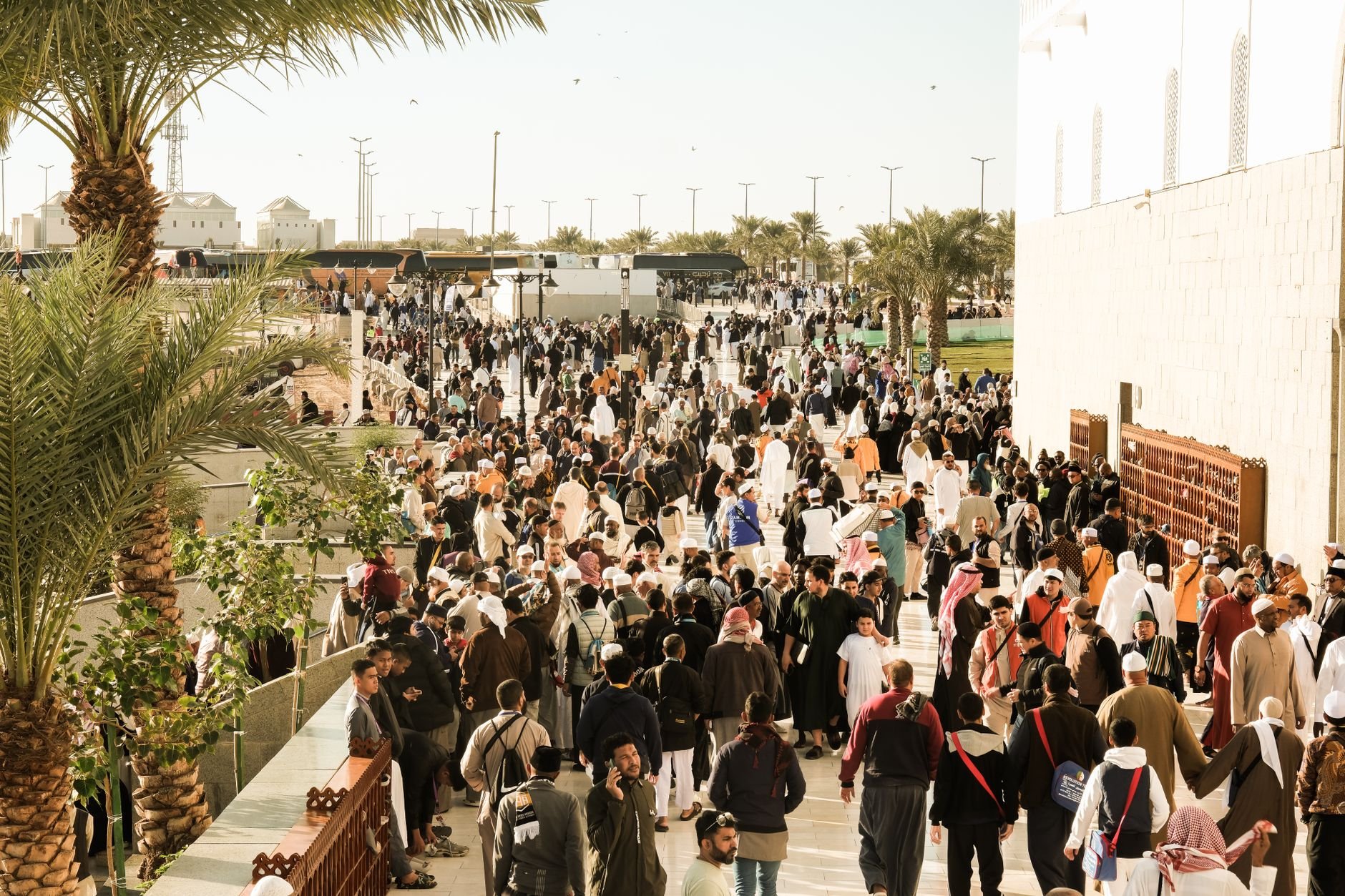
Family Life in Diriyah: Schools, Parks & Activities
Your family guide to Diriyah: heritage parks, kids' workshops, school tours at At-Turaif, Al-Bujairi entry rules and Bujairi Terrace dining.
Sep 17,2026Related Stories
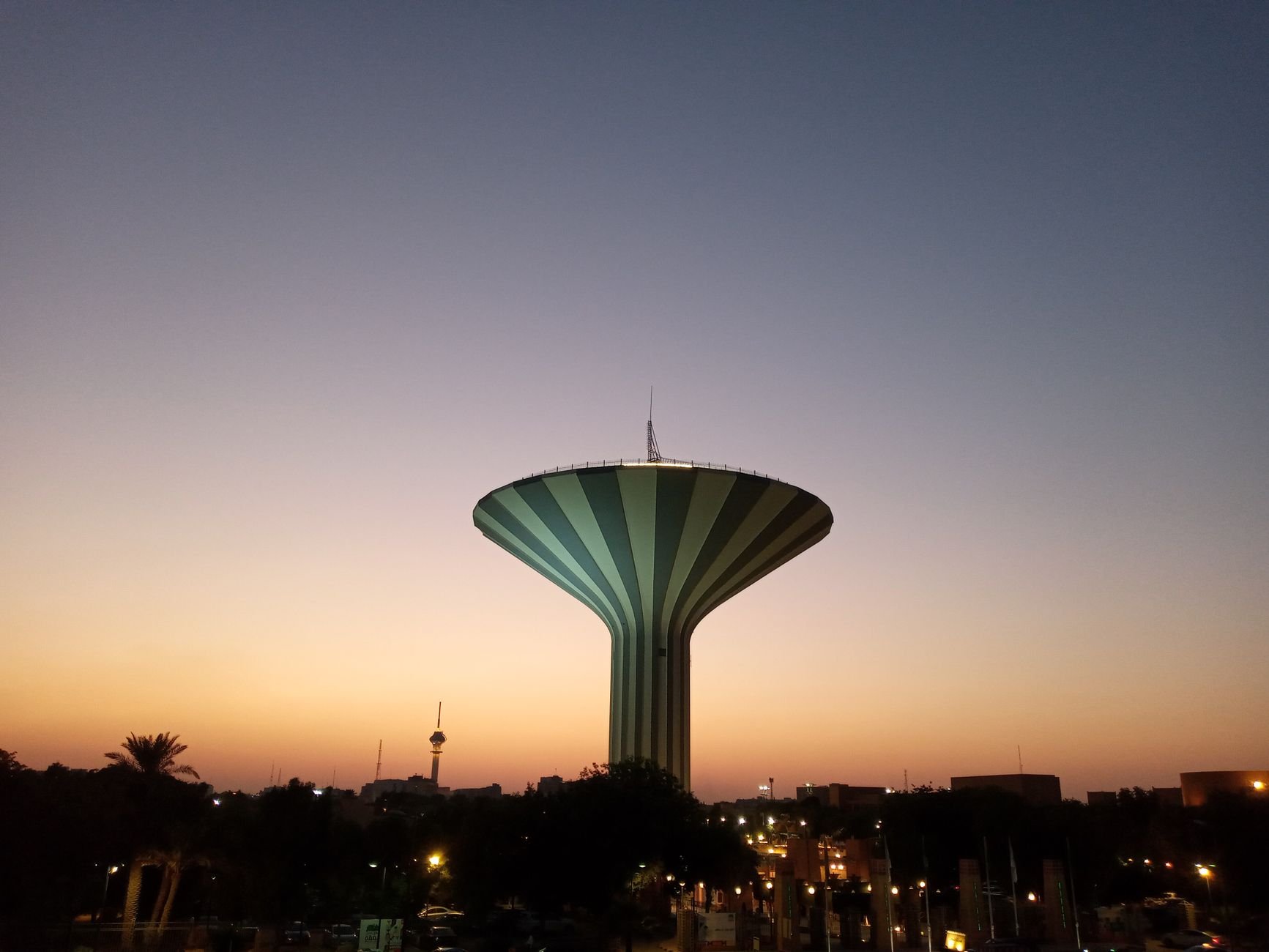
Cultural Etiquette & Customs in Saudi Arabia
Oct 27,2026



Don't Miss Similar Listings
Be the first to know when new stories on this topic are published.