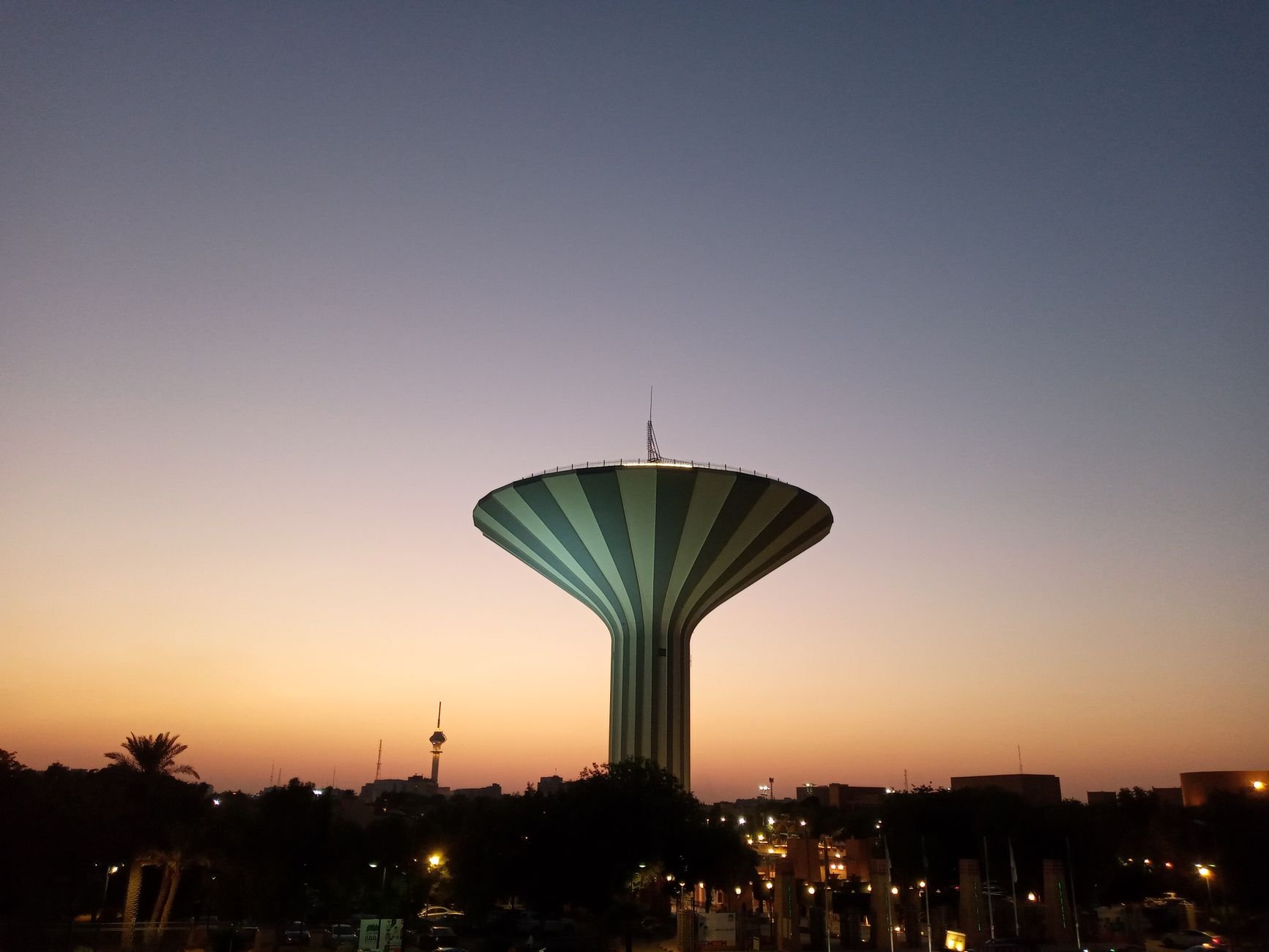
Cultural Etiquette & Everyday Customs in Saudi Arabia

Moving to or living in Saudi Arabia is far easier when you understand the everyday customs that shape social life here. Saudi culture is warm, hospitable, and deeply rooted in tradition, and locals are generally understanding of newcomers who make a genuine effort to respect it. This guide from سعودي ليفنج walks you through the practical etiquette that will help you feel at home, avoid awkward moments, and build good relationships with neighbours, colleagues, and friends.
Greetings and social interaction
Greetings matter a great deal in Saudi Arabia and are rarely rushed. The most common greeting is "As-salamu alaykum" (peace be upon you), answered with "Wa alaykum as-salam." Expect handshakes between men, often followed by a warm exchange asking about your health and family.
- Let the other person set the tone for physical contact, especially between men and women. Many Saudis prefer a nod, a hand on the heart, or a verbal greeting rather than a handshake across genders.
- Use the right hand for greeting, giving, and receiving.
- Spend a moment on small talk before getting to business — jumping straight to the point can feel abrupt.
Dress and appearance
Modest dress is expected in public for everyone. While rules have relaxed in recent years, dressing respectfully remains the norm and is genuinely appreciated.
- Men: Avoid shorts and sleeveless tops in public settings. Long trousers and shirts with sleeves are a safe choice.
- Women: Loose-fitting clothing that covers the shoulders and knees is appropriate. Carrying a light scarf is useful for mosques and more conservative areas.
- Beachwear and swimwear belong at private beaches, resorts, and pools — not on public streets.
Hospitality and visiting homes
Hospitality is a cornerstone of Saudi life, and being invited into a home is a sign of trust and respect. Guests are treated generously, and refusing an offer of coffee or dates may be seen as impolite.
- Arabic coffee (gahwa) served with dates is a traditional welcome. Accept at least a small cup; gently shake the cup side to side when you've had enough.
- Remove your shoes if you see others doing so at the entrance.
- Bringing a small gift such as sweets or dates is a thoughtful gesture.
- Compliment the host, but avoid over-admiring a specific possession — some may feel obliged to offer it to you.
Dining etiquette
Meals are social occasions, often shared from communal dishes. Whether at a home or a traditional restaurant, a few habits will help you fit in.
- Eat with your right hand, particularly when sharing from a common plate.
- Wait to be shown where to sit; hosts often reserve places of honour for guests.
- Trying a bit of everything offered is appreciated, and second helpings are a compliment to the cook.
- Alcohol and pork are not part of the culture and are not available — plan meals accordingly.
Prayer times and public life
Islam shapes the daily rhythm, with five prayer times structuring the day. Many shops and restaurants pause briefly during each prayer, though large malls and essential services increasingly stay partly open.
- Plan errands around prayer times, especially in the evening.
- During the call to prayer, keep noise low and be patient if a service pauses.
- Fridays are the main day of communal prayer and the start of the weekend, so mornings can be quieter.
Ramadan and public conduct
During the holy month of Ramadan, Muslims fast from dawn to sunset. Out of respect, avoid eating, drinking, or smoking in public during daylight hours, even if you are not fasting. Working hours are often reduced, and the atmosphere turns lively after sunset with the iftar meal and evening gatherings.
Everyday do's and don'ts
- Photography: Always ask before photographing people, especially women and families. Avoid photographing government buildings.
- Public behaviour: Keep public displays of affection to a minimum and dress and behave modestly in shared spaces.
- Respect: Speak positively about the country, its leadership, and local customs. Politics and religion are best approached with sensitivity.
- Punctuality: Business appointments value timeliness, though social gatherings can run on a more relaxed schedule.
Ultimately, Saudis are famously welcoming, and a warm smile paired with a little cultural awareness goes a long way. Show genuine respect and curiosity, and you'll find daily life here friendly, rewarding, and full of generous hospitality.
Stay updated with the latest news, events, sports updates, business insights, real estate and lifestyle stories on Saudi Living — the leading online platform for residents, expats, and visitors in Saudi Arabia.
Follow Saudi Living for daily updates:
- Instagram - @saudiliving
- X - @saudiliving
- Facebook - @saudiliving
- YouTube - @saudiliving
Up Next

Cultural Etiquette & Customs in Saudi Arabia Guide
A practical guide to Saudi Arabia's everyday etiquette: dress, greetings, hospitality, prayer times, photography rules, and social customs for residents and visitors.
Aug 8,2026
Best Parks & Green Spaces in Diriyah: Full Guide
Discover the best parks and green spaces in Diriyah, from Bujairi Terrace to Wadi Hanifah. Timings, entry fees, and practical tips for families.
Aug 6,2026
Cultural Etiquette & Customs in Saudi Arabia
A practical guide to everyday etiquette in Saudi Arabia: greetings, dress, hospitality, dining, and social customs for residents and newcomers.
Aug 6,2026
Family Activities in Diriyah: A Complete Guide
Discover the best family activities in Diriyah, from At-Turaif heritage site to Bujairi Terrace, Wadi Hanifah walks and Diriyah Season fun.
Aug 4,2026Related Stories
Cultural Etiquette & Customs in Saudi Arabia
Oct 27,2026



Don't Miss Similar Listings
Be the first to know when new stories on this topic are published.