
Ramadan in Saudi Arabia: A Resident's Guide
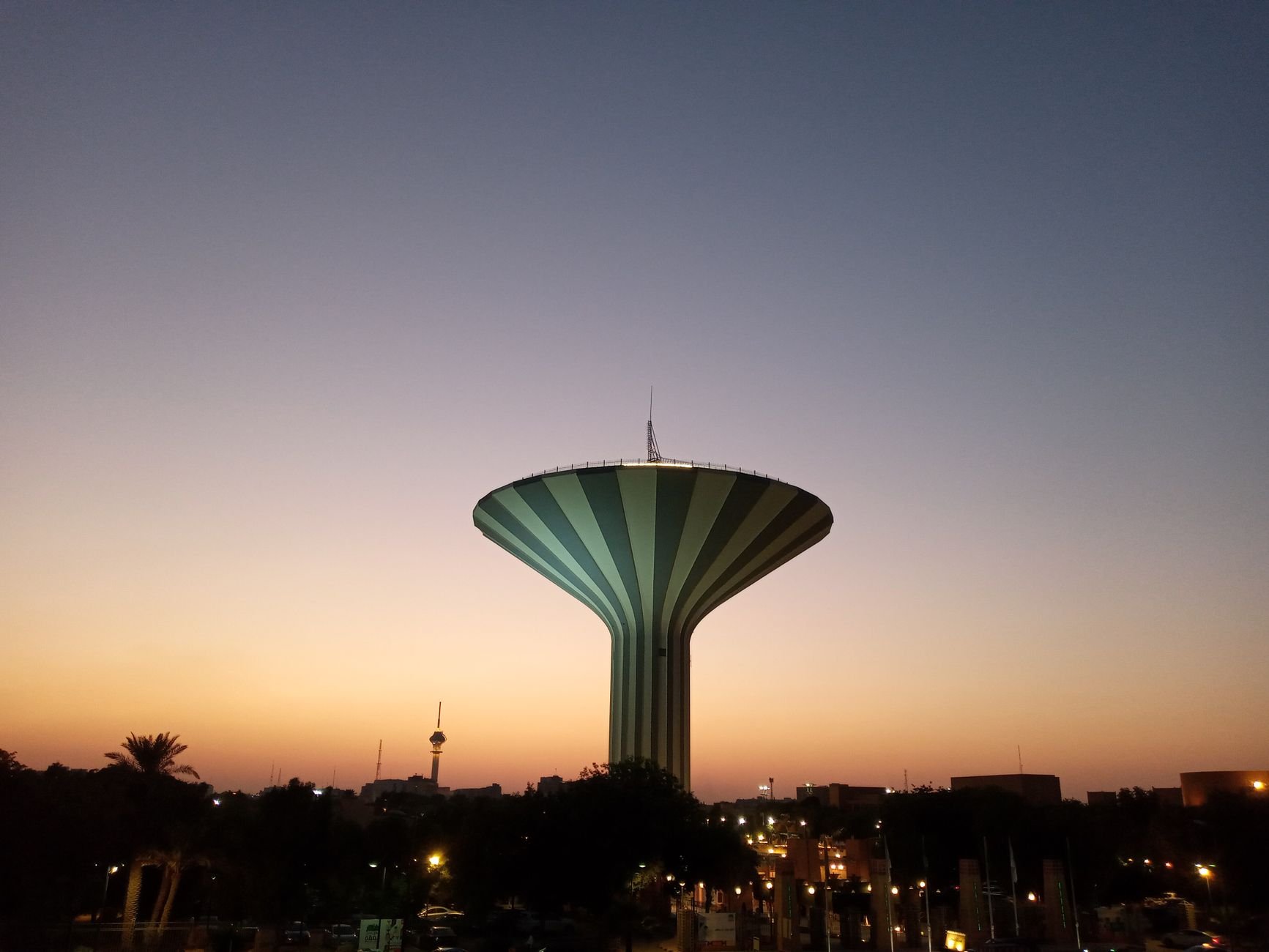
Ramadan is the most significant month of the year in Saudi Arabia, and for residents and newcomers alike it transforms daily rhythms in ways that are hard to appreciate until you experience them. Days slow down, nights come alive, and the entire country shifts around the twin anchors of fasting and prayer. Whether you are Muslim and observing the fast or a non-Muslim resident adjusting to a new pace of life, understanding how the month works will make it far smoother — and far more rewarding. Here is Saudi Living's practical guide to living well through Ramadan.
What Ramadan actually is
Ramadan is the ninth month of the Islamic lunar calendar, during which Muslims fast from dawn (fajr) until sunset (maghrib). Fasting means abstaining from food, drink, smoking, and other physical needs during daylight hours. Because the Islamic calendar is lunar, Ramadan moves earlier by roughly ten to twelve days each year, so the season and length of the fasting day shift over time. The exact start depends on the sighting of the moon, which is officially announced in the Kingdom, so confirm the dates each year rather than assuming.
How daily life and working hours change
The most immediate change residents notice is the schedule. Working hours are typically reduced during Ramadan, and many private-sector and government offices shift to shorter days. Rush hour patterns move too — traffic tends to spike just before iftar as everyone races home, then again late at night.
- Confirm your specific reduced hours with your employer, as arrangements vary by sector.
- Expect government service counters and many businesses to open later and close for a break around iftar.
- Plan errands for the morning or the busy late-evening hours, and avoid the pre-iftar window on the roads if you can.
Fasting etiquette for everyone
Public respect for the fast is important, and this applies to Muslims and non-Muslims alike. During daylight hours, eating, drinking, or smoking in public is not permitted. This includes offices, streets, malls, and cars in public view.
- If you are not fasting, eat and drink privately — at home, in your own office space, or in designated areas.
- Dress modestly, as you would year-round, and be mindful that patience runs thin by late afternoon.
- A simple greeting like "Ramadan Kareem" or "Ramadan Mubarak" is warmly received.
Iftar, suhoor and the social heart of the month
When the sun sets, the mood transforms. Iftar — the meal that breaks the fast — is a social occasion built around family, friends, and generosity. Dates and water or laban traditionally open the meal, followed by soups, savory dishes, and sweets. Later in the night comes suhoor, the pre-dawn meal that sustains the next day's fast.
Hotels, restaurants, and community venues often host iftar and suhoor gatherings, and many offer special menus and tents. Availability changes each year, so check current offerings before booking. Charitable iftar tables are also common, reflecting the spirit of giving that defines the month.
Shopping, food delivery and store hours
Retail rhythms flip almost entirely. Supermarkets, malls, and shops often stay open very late into the night, with peak crowds after the evening Taraweeh prayers. Grocery demand rises for staples used in Ramadan cooking, so shop early in the month if you want to avoid the rush.
- Food-delivery apps are extremely busy right before iftar — order well in advance to avoid long waits.
- Many stores run seasonal promotions, so it can be a good time for household and gift shopping.
- Restaurant dine-in hours shift to the evening and night; daytime service is limited.
Prayer, mosques and the spiritual side
Nights during Ramadan carry special significance. After the evening Isha prayer, mosques hold Taraweeh, extended congregational prayers unique to the month. In the final ten nights, many worshippers stay for the late-night Qiyam prayers, and the search for Laylat al-Qadr (the Night of Decree) adds a heightened sense of devotion. Mosques fill up, and the sound of recitation carries through neighborhoods late into the night.
Tips for a smooth Ramadan as a resident
- Adjust your sleep schedule early — many people become more active at night and rest during part of the day.
- Stay hydrated during non-fasting hours if you are fasting, and prioritize balanced suhoor meals.
- Be patient and flexible with service timings; almost everything runs on a modified schedule.
- Embrace the hospitality — invitations to iftar are common, and accepting them is a great way to connect.
- Keep an eye on official announcements for the confirmed start of Ramadan and the Eid holiday that follows.
Ramadan in Saudi Arabia is less an interruption to normal life than a completely different — and deeply memorable — way of living for a month. Approach it with respect and curiosity, and it becomes one of the most rewarding times to be in the Kingdom.
Stay updated with the latest news, events, sports updates, business insights, real estate and lifestyle stories on Saudi Living — the leading online platform for residents, expats, and visitors in Saudi Arabia.
Follow Saudi Living for daily updates:
- Instagram - @saudiliving
- X - @saudiliving
- Facebook - @saudiliving
- YouTube - @saudiliving
Up Next

Ramadan in Saudi Arabia: A Resident's Guide
Everything residents and expats need to know about living, working, shopping, and dining during Ramadan in Saudi Arabia.
Aug 8,2026
Haramain High-Speed Railway: Rider's Guide
How to travel between Makkah, Madinah, Jeddah and KAEC on the Haramain High-Speed Railway: tickets, stations, luggage and tips.
Aug 6,2026
Ramadan in Saudi Arabia: Guide for Residents 2026
Everything residents and expats should know about Ramadan in Saudi Arabia: dates, fasting hours, public rules, work schedules, and mosque etiquette.
Aug 6,2026
Ramadan in Saudi Arabia: What Residents Should Know
Your practical guide to Ramadan 2026 in Saudi Arabia: dates, working hours, fasting times, mall and restaurant timings, and mosque rules for residents.
Aug 3,2026Related Stories




Don't Miss Similar Listings
Be the first to know when new stories on this topic are published.


