Ramadan in Saudi Arabia: A Resident's Guide
Ramadan is one of the most meaningful and atmospheric times of year to live in Saudi Arabia. Days slow down, evenings come alive, and the whole rhythm of the Kingdom shifts around the fast. For residents and newcomers, understanding a few key rules and routines makes the month far smoother — from work hours and public conduct to prayer schedules and the apps you'll rely on. In 2026, Ramadan ran from 18 February to 19 March, with Eid al-Fitr beginning on 20 March. Here's what you need to know.
Fasting hours and daily timings
The daily fast runs from dawn to sunset — roughly 13 hours in Ramadan 2026. Suhoor, the pre-dawn meal, should wrap up by Imsak at around 05:06, while Iftar coincides with the Maghrib call to prayer at approximately 17:50. These times shift slightly across the month and by region, so check a reliable local prayer timetable for your city each day.
The start of Ramadan itself was confirmed through official crescent-sighting. The Supreme Court called on residents to take part in sighting the crescent on 29 Sha'ban 1447 (17 February 2026) through the Kingdom's official committees.
Public conduct: what's allowed and what isn't
During daylight fasting hours, eating, drinking, or smoking in public is prohibited for everyone — residents and visitors alike, regardless of whether you are fasting. Violations can lead to fines of up to SAR 500.
These rules apply to spaces visible to passers-by, including:
- Streets, parks, and public squares
- Shopping malls and public transport
- Cars that are visible to others on the road
You are free to eat, drink, and smoke in private spaces such as your home, a hotel room, or an enclosed car at any time of day. Hotels continue room service throughout daylight hours for guests. Note that alcohol is prohibited nationwide at all times, including during Ramadan.
Work hours during Ramadan
Working hours are typically reduced for fasting employees to around 6 hours In the private sector, office timings often shift to roughly 10:00–16:00, though exact schedules vary by employer and sector. If you're unsure how the reduction applies to your contract, confirm with your HR department or employer directly.
Mosques, prayers, and Ramadan programs
Prayer schedules in mosques follow the Umm Al-Qura calendar, with a mandated interval of about 15 minutes between the Adhan and Iqama for Fajr and Isha to give worshippers time to arrive. A few important regulations apply during the month:
- Live broadcasting of prayers from mosques via cameras or social media remains banned.
- Unauthorized cash donation collection in mosques during Ramadan is not permitted.
- Official Iftar programs must stay within designated areas under mosque supervision.
- Non-Saudi residents joining mosque Ramadan programs need sponsor approval in line with residency regulations.
Umrah during Ramadan
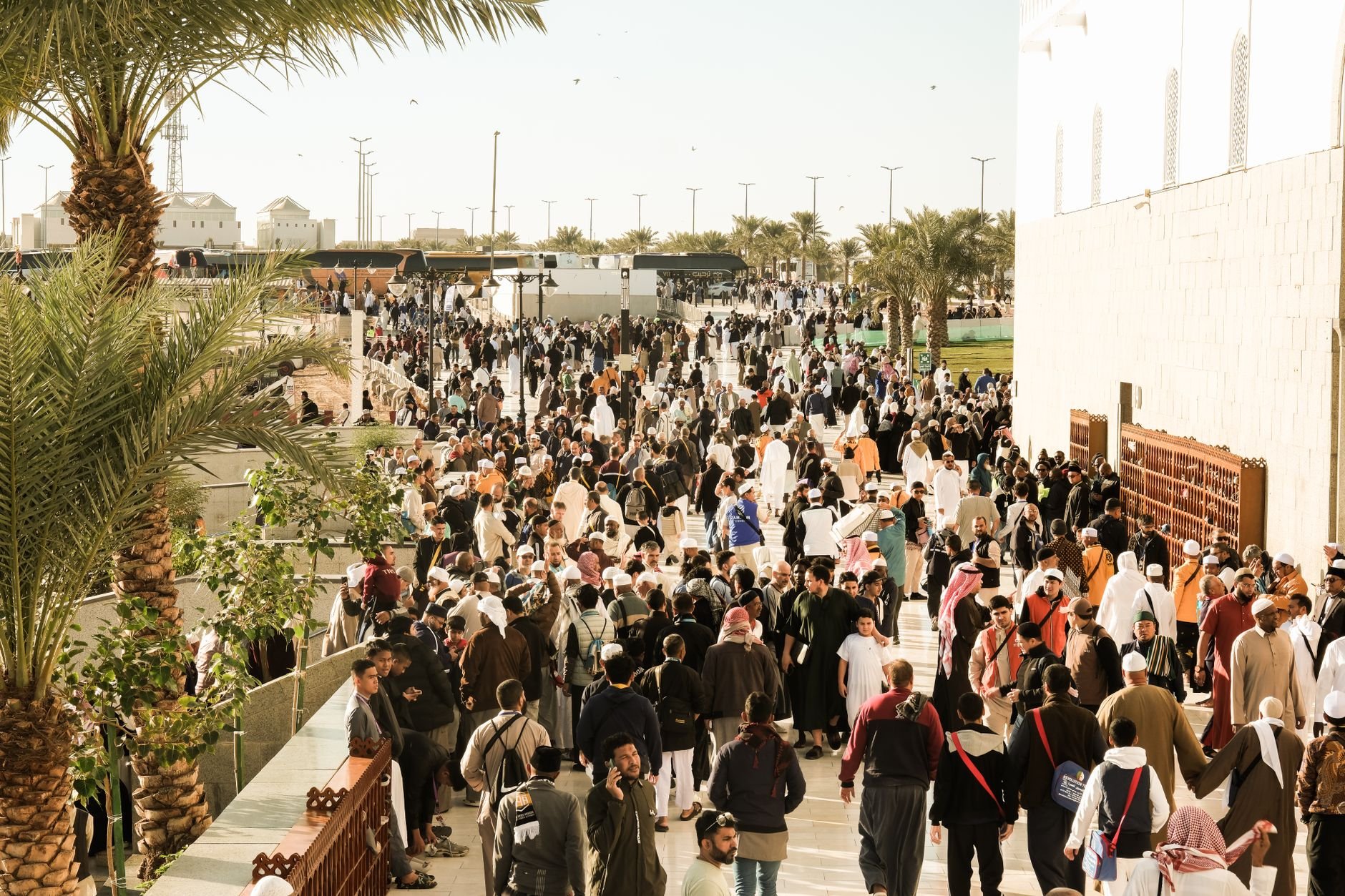
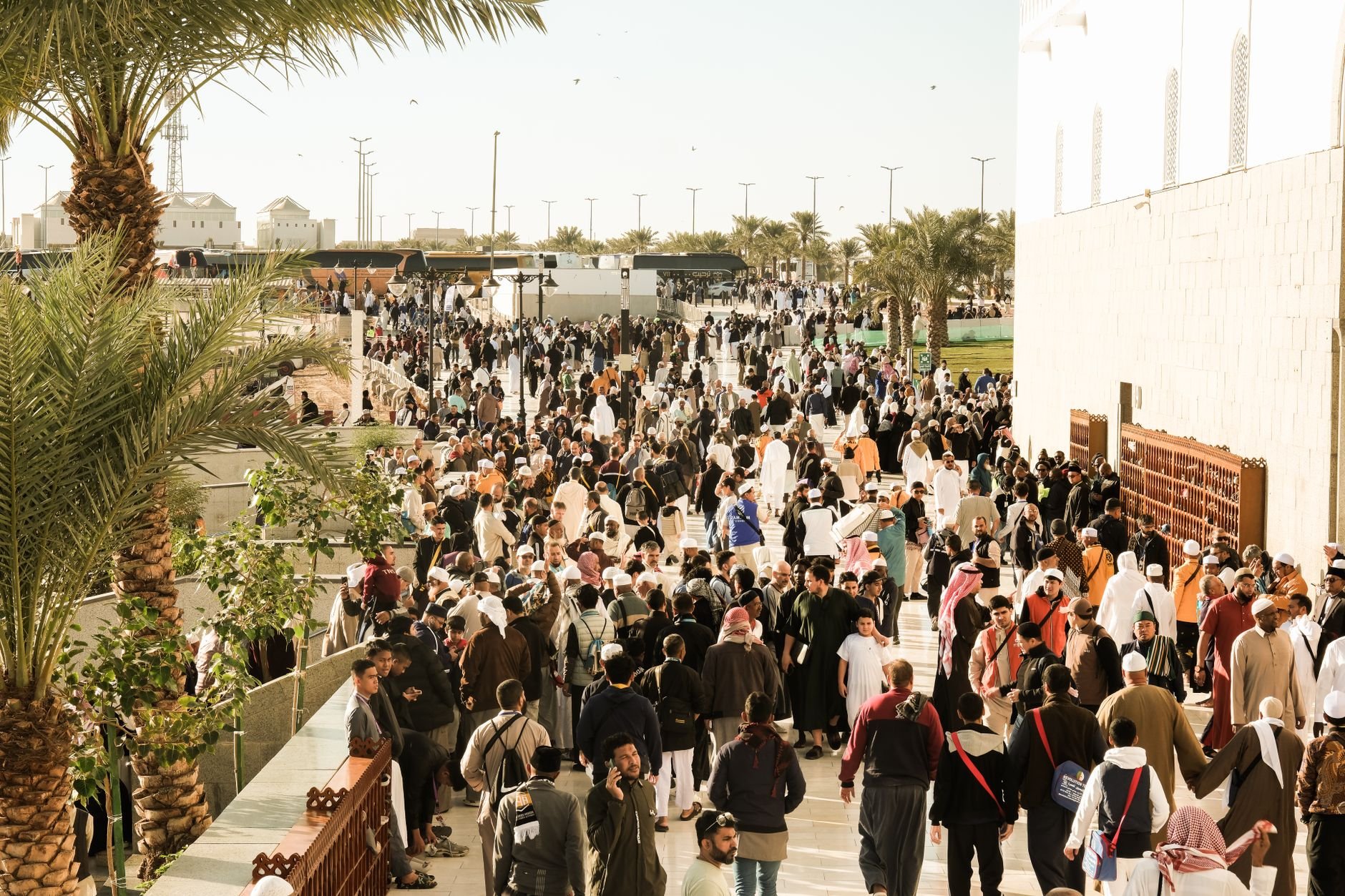
Ramadan is an especially popular time for Umrah. Permits must be obtained digitally through the official Nusuk app, and each pilgrim is limited to one Umrah during Ramadan under the permit system. To ease congestion and improve safety around the holy sites in 2026, motorcycles, bicycles, and unauthorized vehicles were banned from central pedestrian areas. Plan your visit ahead and secure your permit early, as demand peaks in the final ten nights.
The apps you'll rely on
Tawakkalna acts as the main government super-app for residents during Ramadan, including displaying your digital ID/Iqama and viewing Hajj/Umrah permits. It works alongside Absher and Nafath for most routine transactions. During Ramadan, Tawakkalna technical support operates roughly 10:00–15:00 and 21:00–00:00. If the app is unavailable, Absher remains the primary portal for residency and Interior-ministry services.
Staying healthy while fasting
The Ministry of Health runs a Ramadan 2026 awareness campaign, "صم بصحة" (Fast Healthily), focused on sensible fasting practices. A few simple habits go a long way:
- Hydrate steadily between Iftar and Suhoor rather than all at once.
- Choose balanced Suhoor meals with slow-release energy to sustain you through the day.
- Avoid heavy, overly salty, or fried foods at Iftar.
- Ease into activity gradually, especially in the afternoon heat.
With a little planning, Ramadan in the Kingdom becomes one of the most rewarding experiences of the year — a chance to slow down, connect with community, and enjoy the unique evening energy that defines the season.
Stay updated with the latest news, events, sports updates, business insights, real estate and lifestyle stories on Saudi Living — the leading online platform for residents, expats, and visitors in Saudi Arabia.
Follow Saudi Living for daily updates:
- Instagram - @saudiliving
- X - @saudiliving
- Facebook - @saudiliving
- YouTube - @saudiliving
Up Next

Ramadan in Saudi Arabia: A Resident's Guide
Everything residents and expats need to know about Ramadan in Saudi Arabia: fasting rules, reduced work hours, dining, Umrah permits, and mall timings.
Aug 16,2026
Ramadan in Saudi Arabia: A Resident's Guide
Everything residents and expats need to know about living, working, shopping and socializing during Ramadan in Saudi Arabia.
Aug 14,2026
Haramain High-Speed Railway: Rider's Guide
Everything you need to travel between Makkah, Madinah, Jeddah and KAEC on the Haramain High-Speed Railway: booking, stations, tips and etiquette.
Aug 12,2026
Ramadan in Saudi Arabia: A Resident's Guide
Everything residents and expats need to know about Ramadan in Saudi Arabia: work hours, mosque rules, iftar etiquette, and daily life tips.
Aug 12,2026Related Stories




Don't Miss Similar Listings
Be the first to know when new stories on this topic are published.