
Ramadan in Saudi Arabia: A Resident's Guide
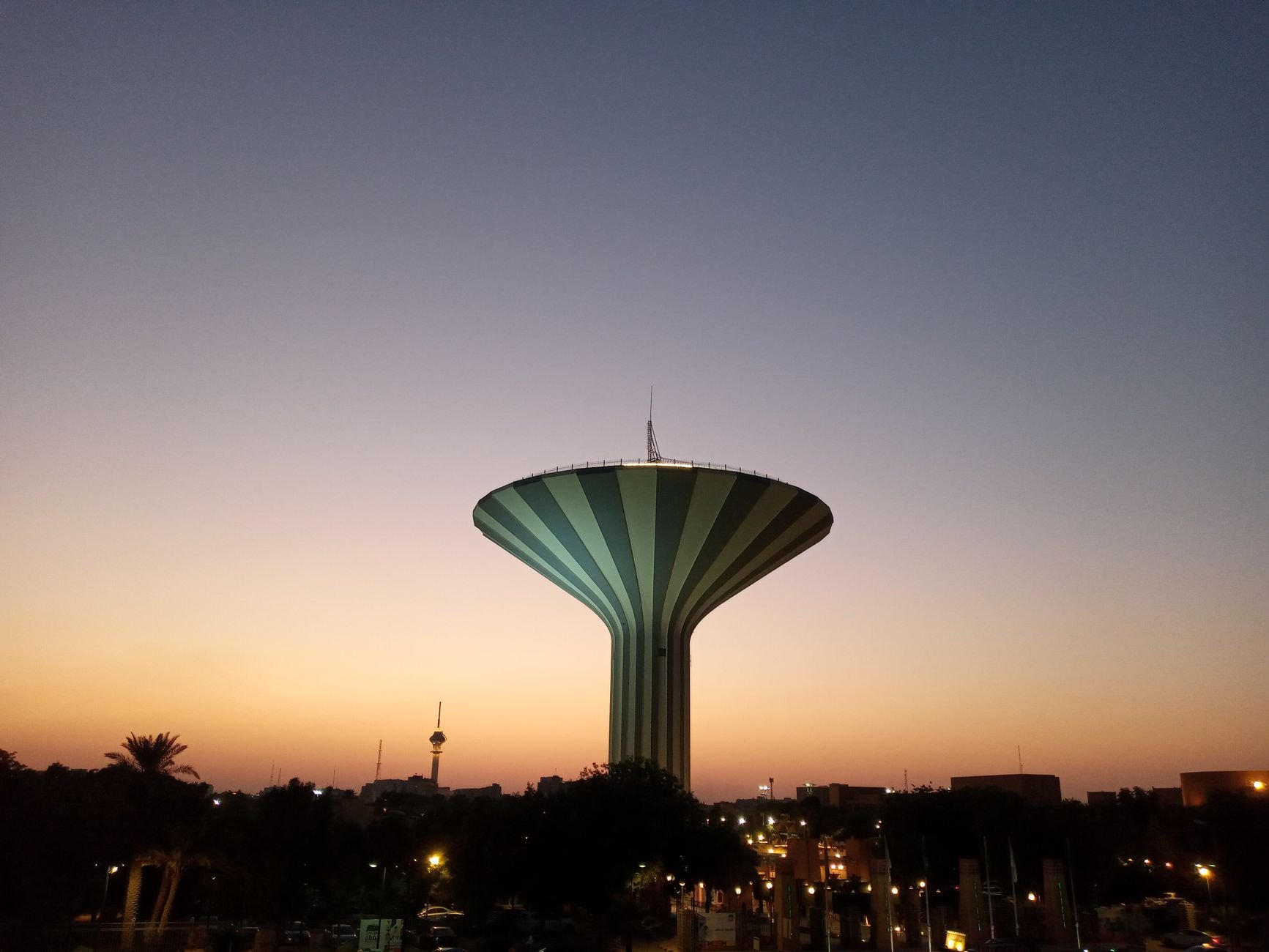
Ramadan is the most important month of the Islamic calendar and it transforms daily life across Saudi Arabia. For residents and expats — whether Muslim or not — the rhythm of the day shifts: mornings are quieter, afternoons slow down, and the city comes alive after sunset. Understanding how work, shopping, dining and social life change will help you make the most of this special month and show respect for local customs. Here is our practical guide to living through Ramadan in the Kingdom.
What Ramadan means and how the day is structured
During Ramadan, Muslims fast from dawn (suhoor) until sunset (iftar), abstaining from food, drink and smoking during daylight hours. The fast is broken at sunset, traditionally with dates and water, followed by the iftar meal. Later in the evening comes suhoor, the pre-dawn meal, and special night prayers (Taraweeh). Because the day is built around these moments, you will notice life reshuffles: activity peaks in the late evening and early hours of the night.
- Suhoor — the pre-dawn meal before fasting begins.
- Iftar — breaking the fast at sunset, often a social gathering.
- Taraweeh — additional night prayers at mosques.
Working hours and business changes
Working hours are typically reduced during Ramadan, and Saudi labour regulations set shorter working days for fasting employees. Many private companies and government offices adjust their schedules, often starting later and finishing earlier. Meetings and deadlines tend to cluster in the morning, while the late afternoon slows as people head home before iftar. If you work in retail, hospitality or delivery, expect the opposite pattern — evenings become the busiest time. Confirm your exact hours with your employer, and check official guidance through the relevant Ministry portals for the current rules.
Eating, drinking and public etiquette
Out of respect for those fasting, eating, drinking or smoking in public places during daylight hours is not appropriate and is generally not permitted. This applies to everyone, including non-Muslims. In practice this means:
- Avoid eating or drinking in public streets, offices open areas, malls and public transport during the day.
- Many restaurants and cafes are closed during the day and reopen before iftar; some offer takeaway or delivery.
- You can still eat and drink privately at home or in designated areas.
- Dress modestly and keep music and noise moderate in public during the day.
These customs are easy to follow once you know them, and locals deeply appreciate the courtesy.
Shopping, dining and delivery
Shopping patterns flip during Ramadan. Supermarkets and malls often stay open late into the night, and grocery stores stock up on dates, drinks and festive ingredients. Restaurants roll out iftar and suhoor menus, and hotels frequently host lavish iftar buffets and tented suhoor lounges. Food-delivery apps are extremely busy around iftar time, so order early if you want your meal to arrive on time. Prices and promotions vary, so compare options and check current availability directly with each venue or app, as offerings change every year.
Iftar culture and hospitality
Iftar is a highlight of the month and a wonderfully social occasion. You may be invited to a family or colleague's iftar — accepting is a lovely way to connect. Charity is central to Ramadan, and you'll see free iftar meals distributed near mosques and along roadsides for workers and travellers. Community iftar tents welcome people of all backgrounds. If you're hosting or attending, arriving a little before sunset and bringing a small gift such as sweets or dates is a thoughtful gesture.
Getting around and timing your day
Traffic has its own Ramadan pattern. Roads can get very busy in the half hour before iftar as everyone rushes home, so avoid driving at that time if you can. After iftar and late into the night, streets, cafes and markets fill with people. Plan errands, appointments and travel around these peaks: mid-morning and late evening tend to be smoother. Public transport and ride-hailing services may adjust their peak periods accordingly.
Eid al-Fitr: the celebration at the end
Ramadan concludes with Eid al-Fitr, a joyful multi-day holiday marking the end of fasting. Expect an official public holiday, festive gatherings, gift-giving, special sweets and new clothes. Many shops run Eid sales, travel demand spikes, and some businesses close for several days. If you plan to travel or shop during Eid, book early and confirm holiday dates and opening hours through official channels, as they are announced each year.
Ramadan in Saudi Arabia is a memorable experience — spiritual, social and lively. By adjusting your schedule, respecting local customs and embracing the evening energy, residents and expats alike can enjoy the warmth and generosity that define this remarkable month.
Stay updated with the latest news, events, sports updates, business insights, real estate and lifestyle stories on Saudi Living — the leading online platform for residents, expats, and visitors in Saudi Arabia.
Follow Saudi Living for daily updates:
- Instagram - @saudiliving
- X - @saudiliving
- Facebook - @saudiliving
- YouTube - @saudiliving
Up Next

Haramain High-Speed Railway: Rider's Guide
Everything you need to travel between Makkah, Madinah, Jeddah and KAEC on the Haramain High-Speed Railway: booking, stations, tips and etiquette.
Aug 12,2026
Ramadan in Saudi Arabia: A Resident's Guide
Everything residents and expats need to know about Ramadan in Saudi Arabia: work hours, mosque rules, iftar etiquette, and daily life tips.
Aug 12,2026
Ramadan in Saudi Arabia: A Resident's Guide
Everything residents and expats need to know about Ramadan in Saudi Arabia: work hours, fasting etiquette, iftar, shopping, and daily life tips.
Aug 10,2026
Ramadan in Saudi Arabia: A Resident's Guide
Everything residents and expats need to know about living, working, shopping, and dining during Ramadan in Saudi Arabia.
Aug 8,2026Related Stories




Don't Miss Similar Listings
Be the first to know when new stories on this topic are published.


