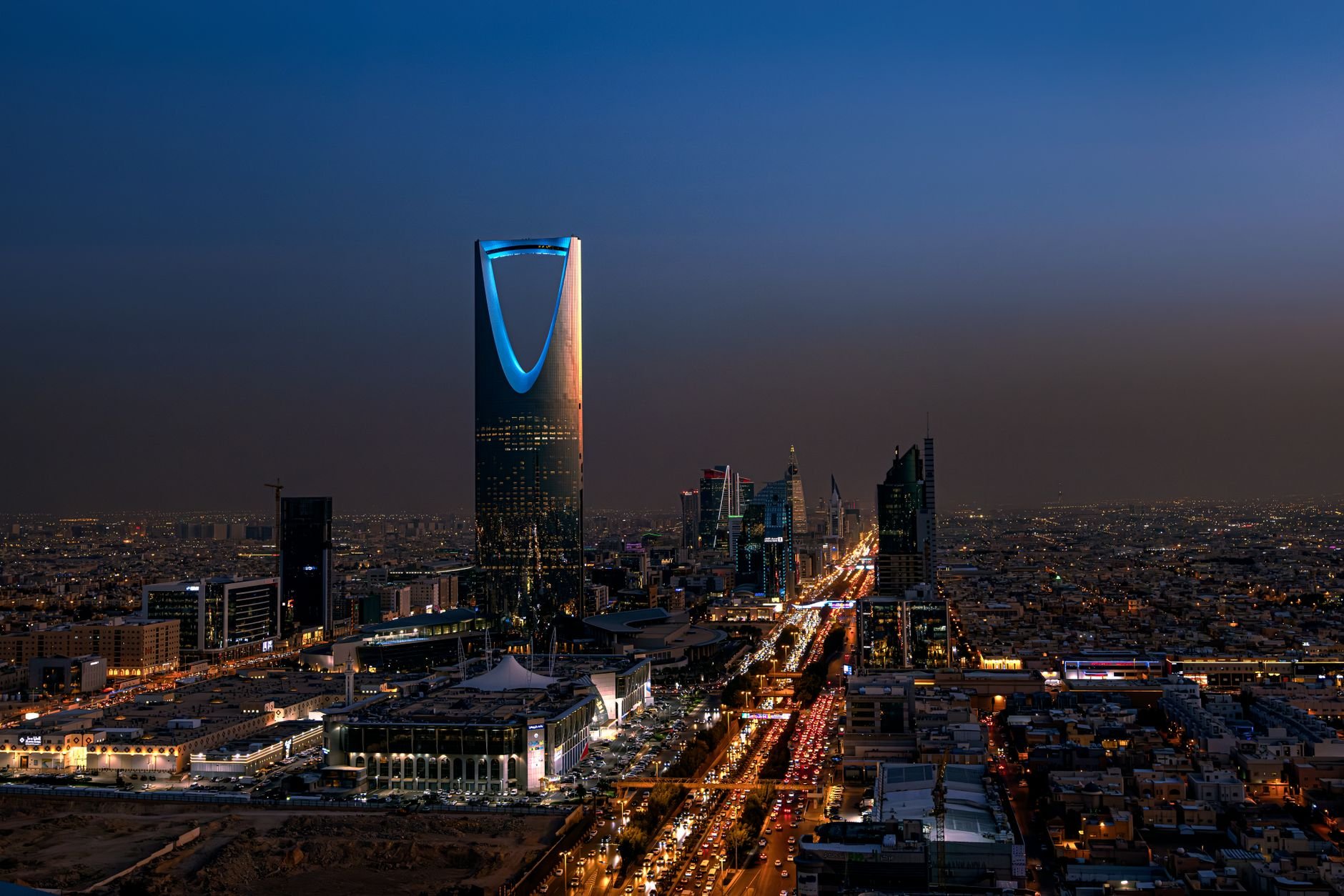
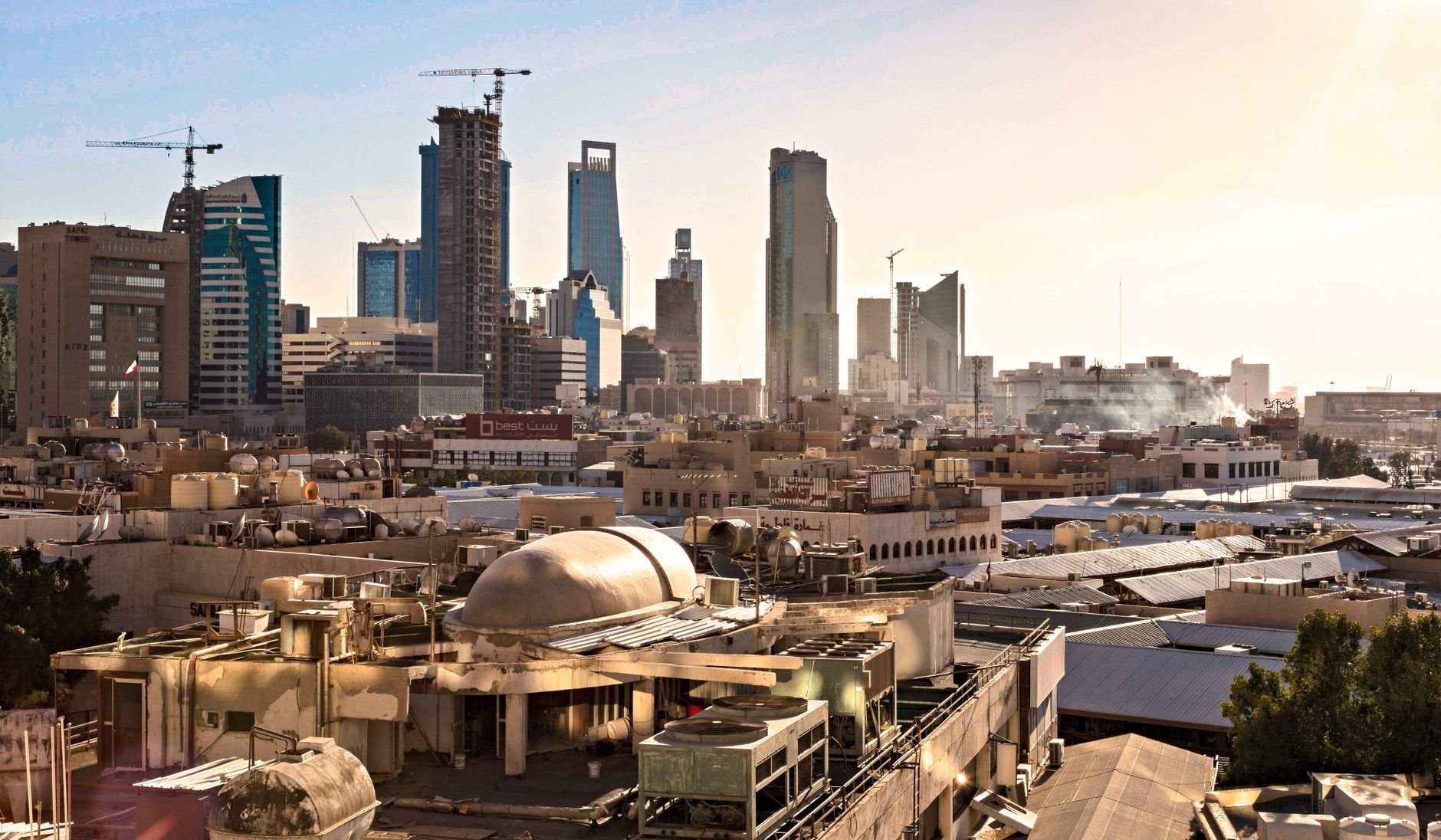
Vision 2030 Investment Opportunities by Sector

Wondering which sectors Saudi Arabia actually wants your capital in? Here's the fast answer.
The Kingdom is prioritising renewable and green energy, technology and digital infrastructure, healthcare and biotech, tourism and hospitality, entertainment, manufacturing, mining, logistics and transport, financial services, fintech, gaming and startups. These are the pillars of Saudi Vision 2030, and the rules have been rebuilt — including 100% foreign ownership in most permitted activities — specifically to pull international money in. When people ask about Vision 2030 investment opportunities and which sectors are prioritized for foreign capital, these are the ones to look at first.
Below we break down each priority sector, the ownership rules, what opened up in 2026, and exactly how you register a company through the Ministry of Investment and the Ministry of Commerce — with real SAR fees.
What Vision 2030 is trying to achieve with foreign investment
Foreign capital isn't a side project for Saudi Arabia — it's a headline target. Vision 2030 aims to raise foreign direct investment's contribution to GDP to roughly 5.7% by 2030, and to lift the private sector's share of GDP to 65%. In plain terms: the Kingdom wants far less of its economy tied to oil and far more of it driven by private and foreign businesses building factories, hotels, data centres, hospitals and solar farms.
That's why the paperwork around investors has been simplified so aggressively over the past few years. The old "find a local sponsor" model is gone for most activities, and licensing is largely electronic.
The priority sectors for foreign capital
Here are the sectors where Vision 2030 programmes are actively channelling opportunities — and where foreign investors are most welcome.
Renewable energy and green tech
This is arguably the flagship. Opportunities span solar, wind, green and blue hydrogen, and energy storage, backed by large utility-scale projects and dedicated economic zones. Diversifying the energy mix means long-term contracts for developers, EPC contractors and technology suppliers alike.
Technology and digital infrastructure
Riyadh is positioning itself as a regional tech hub, and the opportunities reflect it: cloud computing, artificial intelligence, cybersecurity and data centres. With major global cloud providers already committing to Saudi regions, there's demand for local infrastructure, talent and specialised services across the whole stack.
Healthcare, pharmaceuticals and biotech
An expanding, younger-skewing population plus healthcare privatisation is opening room for hospitals, medical devices, pharmaceutical manufacturing and biotechnology. Localising drug production and medical supply chains is a stated priority, which favours investors who manufacture rather than just import.
Tourism, hospitality and entertainment
From Diriyah and Al-Ula to the Red Sea and Riyadh Season, tourism is one of the most visible investment stories in the Kingdom. Opportunities include hotels, resorts, entertainment venues and leisure experiences. The sector is scaling fast to meet ambitious annual visitor targets, and it needs operators, developers and service providers at every price point.
Manufacturing, mining and logistics
Vision 2030 treats industry and logistics as connected engines. Priority opportunities include automotive and electronics manufacturing, food processing, mining and minerals, warehousing, cold-chain services and port logistics. Special Economic Zones offer incentives designed to make industrial and logistics investment cost-competitive.
Financial services, fintech and gaming
The financial sector is deepening, with clear appetite for fintech, payments and financial services. Gaming and esports have also been elevated to a national priority, creating openings for studios, publishers and event operators.
Can foreigners own 100%? Ownership rules explained
Yes — in most permitted activities, foreign investors can own 100% of the business. That's the single biggest change for anyone comparing Saudi Arabia to how it operated a decade ago.
There are still exclusions and conditions, however. Activities where restrictions apply include:
- Upstream oil — exploration, drilling and production
- Some land and ground-transport activities (though certain land-transport services were recently opened — see below)
- Military manufacturing
- Some telecommunications services
The practical takeaway: check your specific activity code before you plan, because ownership caps and conditions are set not blanket across a sector.
What's newly opened for foreign investment in 2026
The list of activities open to foreign capital keeps expanding. Recently reported openings and expansions include:
- Recruitment and employment services
- Real-estate brokerage
- Audiovisual and media services
- Land-transport services
Each of these comes with activity-specific conditions and licensing requirements — so treat them as "now possible" rather than "no strings attached." Confirm the exact conditions for your activity with the relevant regulator before committing capital.
How to set up: licensing, registration and fees
The path for a foreign investor is more streamlined than most newcomers expect. Here's the sequence:
- Get an investment licence / registration — through the Ministry of Investment's electronic investor services. This is your gateway as a foreign investor.
- Complete commercial registration (CR) — electronically through the Ministry of Commerce. The stated service duration for establishing a company under an investment licence is within 72 hours.
- Obtain activity-specific permits — depending on your sector, you may also need municipal, tourism, health, transport, industrial, environmental, financial, media or telecommunications licences from the relevant regulator.
Company-establishment fees
Government establishment fees are modest and depend on your legal structure:
- Joint-stock or simplified joint-stock company — typically around SAR 1,600
- Limited-liability company (LLC) — typically around SAR 1,200
- General or limited partnership — typically around SAR 1,000
- Publication fee — SAR 500
- Plus 15% VAT on the applicable fees
Remember that sector-specific permits carry their own separate fees on top of these establishment charges.
Investment-registration validity and annual fees
There's an important nuance here: there is no single, universal validity period or annual fee for every foreign-investment activity. The Ministry of Investment determines the applicable registration period and financial fee when it approves your application. Likewise, each sector regulator sets its own permit fee, validity, ownership conditions and renewal terms. Budget with that in mind, and get a specific quote for your activity rather than assuming a flat number.
Ready to explore live opportunities? Browse our business opportunities listings on Saudi Living, where we track sector news, setup guides and listings.
FAQs
Which sectors does Vision 2030 prioritise for foreign investment?
The headline priorities are renewable and green energy, technology and digital infrastructure, healthcare and biotech, tourism, hospitality and entertainment, manufacturing, mining, logistics and transport, financial services, fintech, gaming and startups.
Can a foreigner own 100% of a company in Saudi Arabia?
Yes, in most permitted activities. Exceptions and conditions apply to areas such as upstream oil, some land-transport activities, military manufacturing and some telecommunications services, so check your specific activity code.
Do I still need a local sponsor?
For most activities, no. The old requirement to partner with a local sponsor has been removed for the majority of permitted activities, which is why 100% foreign ownership is now possible in most sectors. A handful of restricted activities still carry conditions, so confirm your specific activity code.
How long does it take to register a company as a foreign investor?
Establishing a company under an investment licence through the Ministry of Commerce has a stated service duration of within 72 hours, after you've secured your investment licence/registration from the Ministry of Investment.
How much does it cost to set up a company?
Government establishment fees are typically around SAR 1,600 for a joint-stock or simplified joint-stock company, SAR 1,200 for an LLC and SAR 1,000 for a partnership, plus a SAR 500 publication fee and 15% VAT. Sector-specific permits carry their own separate fees.
What new activities opened to foreign investment recently?
Recruitment and employment services, real-estate brokerage, audiovisual and media services, and land-transport services were reported as newly opened or expanded for foreign investment in 2026, subject to activity-specific conditions.
Where do I actually apply?
Foreign investors start with the Ministry of Investment's electronic investor services for investment registration or licensing, then complete commercial registration and any activity-specific permits through the Ministry of Commerce and the relevant regulators.
Stay updated with the latest news, events, sports updates, business insights, real estate and lifestyle stories on Saudi Living — the leading online platform for residents, expats, and visitors in Saudi Arabia.
Follow Saudi Living for daily updates:
- Instagram - @saudiliving
- X - @saudiliving
- Facebook - @saudiliving
- YouTube - @saudiliving
Up Next

Saudi Job Market Recovery in 2026: Top Sectors Hiring
Saudi Arabia job market recovery in 2026: which sectors are hiring most, in-demand roles, top cities and the Saudization changes expats need to know.
Sep 25,2026
VAT Registration Rules for Businesses in Saudi Arabia
Saudi-resident businesses exceeding SAR 375,000 in annual taxable supplies must register for VAT within 30 days, with a SAR 0 government fee.
Sep 24,2026
Saudi Arabia's 20% Corporate Tax on Foreign Ownership
How Saudi Arabia's 20% corporate income tax applies to non-Saudi and non-GCC ownership shares, mixed ownership, and filing through ZATCA in 2026.
Sep 24,2026
Setting Up a Foreign-Owned Company in Saudi 2026
A step-by-step look at forming a foreign-owned company in Saudi Arabia in 2026: MISA licence, Commercial Registration, ZATCA, VAT, labor and municipal steps.
Sep 24,2026Related Stories



Don't Miss Similar Listings
Be the first to know when new stories on this topic are published.